
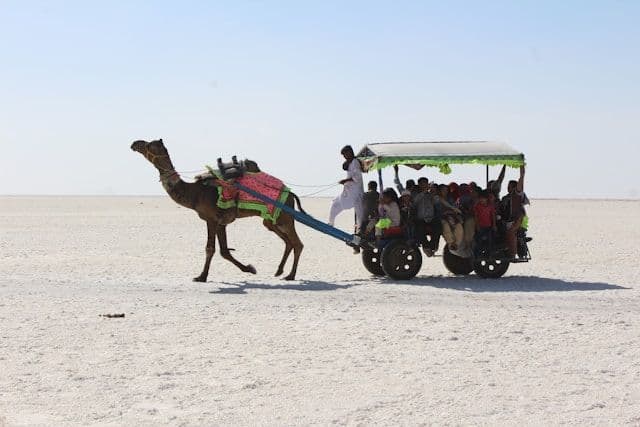
Rann of Kutch looks like a frozen world when winter settles over Gujarat. The ground shines pale under the morning sun. The air feels colder than the landscape suggests. At first glance, you think it is snow. Then you realise it is salt stretching out in every direction, so flat that even a small movement echoes across the ground.
A Landscape That Changes With Light
Locals talk about this place the way forest workers talk about signs in Valparai. They mention sudden temperature drops at dusk. They point at thin cracks forming overnight in the salt crust. They notice distant footsteps long before anyone appears on the horizon. The desert teaches them to read silence instead of sound.
Visitors often ask about the Rann of Kutch's best time to visit, and winter always comes up first. December turns the desert into a mirror. The light becomes sharp enough to make you squint. Evenings turn blue. The horizon bends slightly, as if the earth and sky are holding still for a moment. The experience feels less like travel and more like stepping into a place that does not follow usual rules.
The White Desert and Its Echoes
Standing here alone feels like standing inside a dream. You hear your own breathing. You hear the salt crunch under your shoes. You watch distant specks of people walking with slow, careful steps. The desert looks endless, but locals warn you about dipping into soft patches, the same way people in the Western Ghats warn travelers about wandering off forest tracks.
Rann of Kutch in December becomes a stage for colour and silence. Turbans in bright red and yellow look unreal against the pale ground. Camels leave clean lines behind them. Children run in circles and leave temporary patterns that dissolve by the next gust of wind. The landscape does not change fast, but it changes constantly.
Where Culture Meets the Horizon
When the Rann utsav begins, the desert shifts again. Sounds of folk music travel farther in the open air. Artisans sit in long rows stitching mirrors and threads into fabric that glitters even without sunlight. This is the heart of the Rann of Kutch festival, a space where craft, dance, and salt land blend into something that feels both historic and temporary.
People planning their visit often look for Rann of Kutch packages because the region is wide and the villages are scattered. A guide can help you find the right paths between Hodka, Dhordo, and Kalo Dungar. They know which corners of the desert catch the moonlight best and which areas stay crowded after sunset. They also know how to pace the day so you reach the white desert at the exact moment the sky turns golden.

Distances That Stretch Like the Desert
Travelers measure journeys here differently. Rann of Kutch becomes a number that feels smaller once you step into this landscape. The long roads cut through dry plains, small towns, and stretches of thorny shrubs. You reach Bhuj, and from there the land begins to open up gradually until the white flats appear like a giant sheet pulled tight across the ground.
People curious about the Rann of Kutch trip cost usually expect it to depend on tents and transport. In truth, the real cost is time. The desert demands slow travel. You wait for sunrise. You wait for moonrise. You wait for the light to shift enough for the salt to start glowing. Every hour feels like part of the journey.
Nights When the Ground Glows
Moonlit nights here look unreal. The desert becomes brighter than some city streets. Shadows soften. Footsteps appear crisp. Cold air creeps into your clothes, and the ground sparkles as if dusted with frost. This is the moment most visitors remember long after they leave, the quiet glow that makes the Rann of Kutch feel alive in a still way.
The final stretch of the night always feels slower, and somewhere between the silver ground and the ringing silence, the Rann of Kutch pulls you into its rhythm, the kind that makes travelers extend their stay without planning to, which is why many end up booking through Neomaxer as naturally as they book festival tents, letting the white desert guide their holiday choices without ever saying a word.









