
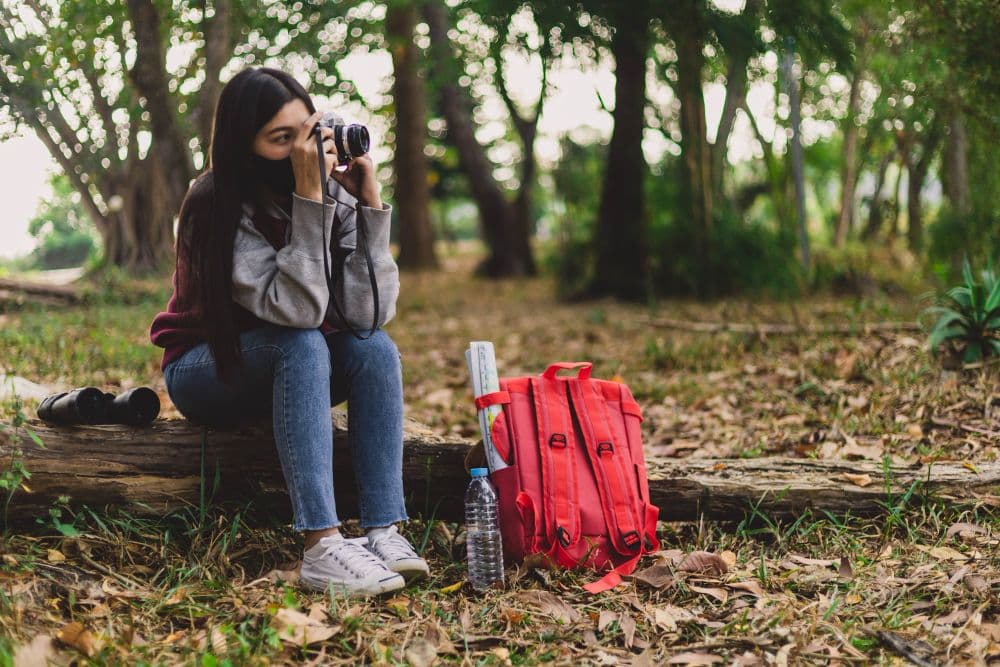
The morning you ignore a famous viewpoint and sit with your pack at a corner café instead, backpack travel stops being about distance and starts being about how quietly you can belong to a place.
The moment you stop chasing the whole map
You notice it in small refusals. The overnight bus you decide not to take. The second city you quietly delete from your notes. The signs look like this:
- You stay another night because the tea stall owner remembered your order
- A local festival changes your plan, and you let it
- The hostel receptionist circles one neighborhood on the map, and you only explore that
On paper you cover less. On the street your days feel fuller, because they are stitched from repetition instead of rush.
What your backpack carries when you drop the checklist
Once you stop trying to see everything, your bag changes without you making a grand decision. A few items vanish. A few that help you stay longer appear. You leave behind the third pair of shoes and pick up a compact laundry line. The heavy jeans stay home and a quick-dry layer takes their place. A slim notebook sneaks in where souvenir space used to be.
An extra large backpack for travel that was once crammed to the zipper starts to feel wasteful. A slightly smaller pack, half empty, begins to make more sense because it leaves room for fruit from the market and a sweater bought when the wind surprises you at dusk.
The gendered weight of the pack
A travelling backpack for ladies and a travelling backpack for men often face different expectations even when the terrain is the same. Women might pack more layers for modesty and safety, extra bathroom supplies, a wider margin for feeling at ease in mixed dorms or long buses. Men might assume they can carry heavier loads and end up overpacking tech, shoes, or camera gear.
Slow backpack travel levels this out. Both are forced to ask: what helps me stay one more day without strain, and what is just there to impress an imagined audience.
Routes that belong to your feet, not your feed
When you drop the urge to cover everything, routes shrink. A region becomes three towns, then two, then one small city with day trips that you may or may not take. The map in your head changes shape:
- Radius instead of straight line
- Circles and loops instead of arrows
- Familiar streets instead of new beds every night
You start measuring distance by how far you can walk before you want a second coffee, not by how many borders you cross. Places stop being boxes to tick and become paths your body remembers.

How days stretch when you travel light on purpose
There is a point where the way you pack and the way you plan become the same thing. A small, well-fitted pack is a promise that today will move at the speed of your own legs. A simple daily pattern often appears:
- Morning: one anchor, like a local market or a lakeside walk
- Afternoon: small errands, laundry, reading, a conversation that runs long
- Evening: the same food stall, the same bench, watching a different sky
Your bag holds fewer outfits, so washing clothes turns into a ritual. You get to know the sink, the rooftop line, the corner store that sells clothespins. Staying put makes these tiny tasks feel like part of belonging rather than chores.
The emotional quiet of carrying less
A heavy pack carries more than fabric and gear. It holds every what if and just in case you packed at midnight. As you strip that down, the noise drops:
- Fewer valuables mean fewer constant checks
- Fewer outfits mean fewer decisions before breakfast
- Fewer gadgets mean fewer charging hunts and socket negotiations
Backpack travel, at this point, feels closer to walking through your own neighborhood with a day bag than storming a new continent. Your mind has room to notice smells, accents, and the way light falls on the same wall at different hours.
Building trips around one base, not ten stops
Once your body knows the cost of moving days, you plan with more respect. Instead of five cities in ten days, you choose two. Sometimes you choose one town with a good bus station and let everything radiate from there. The backbone of the trip becomes:
- A stay long enough that the person at the bakery recognizes you
- A kitchen or common area where you see the same faces twice
- A room that feels safe and quiet enough that unpacking fully makes sense
That is where gear advice about ditching suitcases for longer trips quietly intersects with where you sleep. A steady base allows your pack to be smaller, and a smaller pack makes it easier to say yes when a stranger invites you to a side street, a hilltop shrine, or a family lunch.
If this is the way you want your next season of backpack travel to feel, start by choosing fewer dots on the map, let your pack shrink to match that softer route, and then give yourself a calm base to return to each night by booking your stay via Neomaxer for this holiday so the place you sleep supports the slower, lighter way you are choosing to move.









