
The Gorilla Trekking Experience in Bwindi’s Deep Forest Trip
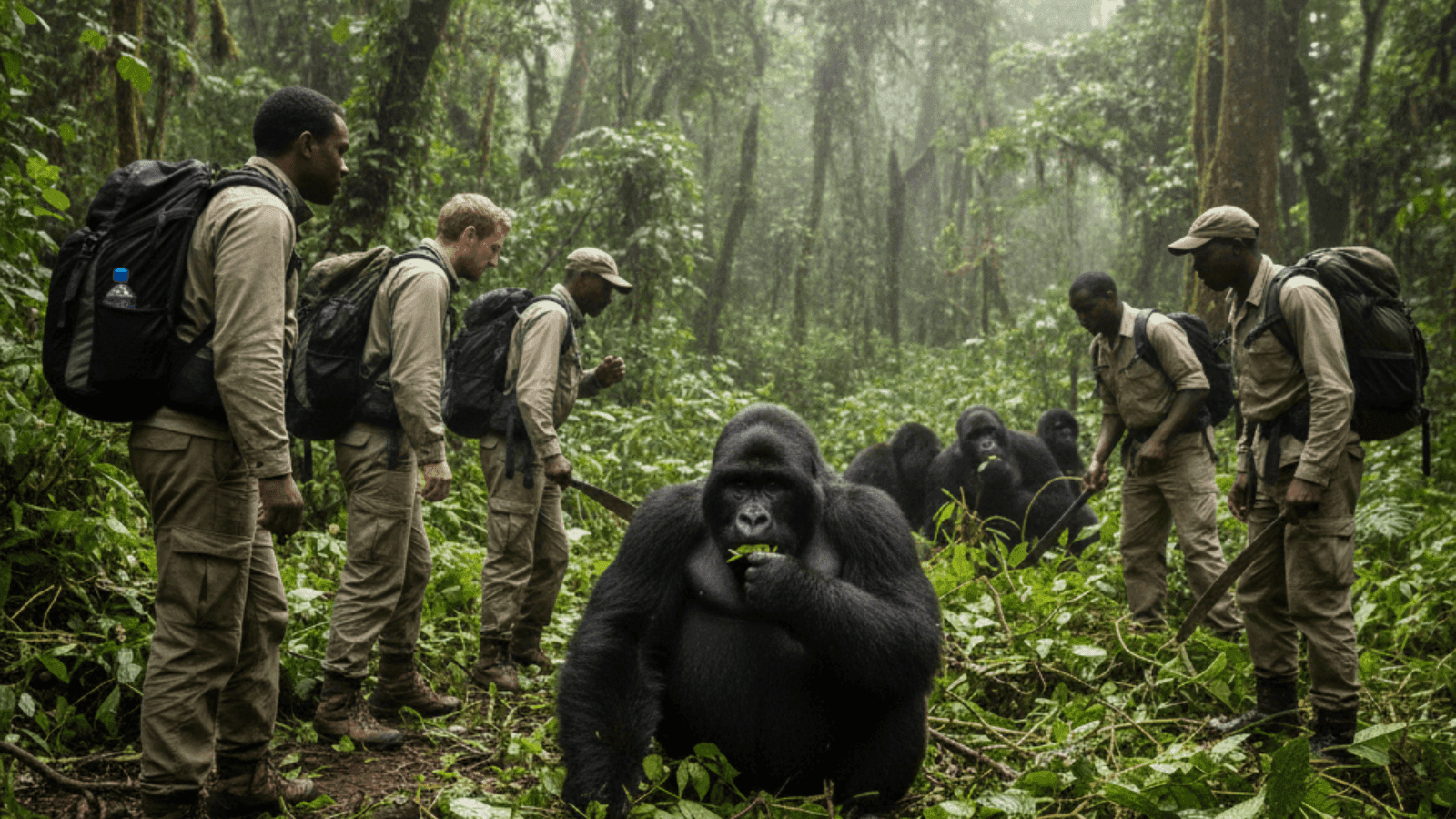
The forest decides how the day goes. There is no fixed trail in Bwindi Impenetrable National Park. Rangers listen for distant branches snapping, watch for fresh nests, and read clues in the mud. Some treks take an hour. Others take five. The destination is always the same, though. A quiet clearing where a gorilla family moves through the undergrowth as if nothing else exists.
Where Gorilla Trekking Happens in Bwindi
Bwindi sits in southwestern Uganda, along the edge of the Albertine Rift. The park is divided into four main trekking sectors. Your permit determines which sector you enter.
- Buhoma: This is the most established sector. Trails are well managed, and the terrain is relatively accessible. Many long-running lodges are based here.
- Ruhija: Higher in elevation, with cooler temperatures and open ridgelines. Treks here can feel quieter, and sightings often happen in dense bamboo.
- Rushaga: Known for having the highest number of habituated gorilla families. This improves your chances of availability when permits elsewhere sell out.
- Nkuringo: The steepest sector. The climbs are serious, but the scenery opens into wide valleys and distant hills.
What Actually Happens on Trekking Day
The morning starts early. Trekkers gather at the sector headquarters around 7:30 AM. Rangers explain safety rules, gorilla behavior, and how to move quietly through the forest. Groups are limited to eight people per gorilla family. This keeps the encounter calm and controlled.
The hike begins on village edges before entering dense rainforest. The ground is uneven. You step over roots, push through vines, and follow narrow animal paths. Rangers sometimes cut small openings with machetes. The trackers move ahead silently. They communicate with guides using radio signals.

Who Can Travel and Permit Requirements
Gorilla trekking permits are mandatory. They are issued by the Uganda Wildlife Authority.
Key requirements:
- Minimum age is 15 years
- Permit cost is approximately USD 800 per person
- Permits must be booked weeks or months in advance
- Passport details are required for permit registration
- Permits are valid only for the assigned date and sector
- Without a permit, entry into gorilla trekking zones is not allowed.
- Permits directly fund conservation and local communities. This system has helped protect mountain gorillas from extinction.
How Physically Demanding It Really Is
The difficulty varies every day. Some travellers reach the gorillas within 45 minutes. Others hike deep into valleys and climb steep slopes for hours. The terrain is slippery, especially after rain. There are no constructed trails. Porters are available and strongly recommended.
They carry bags, assist on steep climbs, and help with balance. Hiring a porter also supports local livelihoods. You do not need to be an athlete. But you need steady stamina and comfort walking on uneven ground.
What to Carry Into the Forest
- Waterproof hiking boots with grip
- Long sleeve shirt and full-length trousers
- Gardening gloves for grabbing branches
- Rain jacket
- Small backpack
- Drinking water, at least 1 to 2 liters
- Energy snacks
- Insect repellent
- Camera with no flash
- Neutral-colored clothing Bright colors and strong perfumes are discouraged. Gorillas are sensitive to unfamiliar stimuli. Everything you carry, you carry yourself unless you hire a porter.
Best Season to Visit Bwindi
Gorilla trekking happens year-round. Conditions shift with rainfall. Dry seasons are easier:
- June to September
- December to February
Trails are less muddy. Hiking is more stable. Visibility improves. Wet seasons bring thicker mud and slower movement. But the forest becomes more vibrant. Permits may also be easier to secure. Gorilla sightings remain consistent throughout the year.
Who This Experience Is For
Gorilla trekking attracts travellers who value rare, grounded encounters. It fits people who:
- Enjoy immersive nature experiences
- Appreciate conservation travel
- Can remain calm in quiet environments
- Value meaningful wildlife encounters over comfort
- Are willing to hike without knowing exact outcomes
- Prefer remote destinations over crowded ones
- No fences separate you from the gorillas. Only space and mutual awareness.
Where Travellers Usually Stay
Most stays include:
- Early breakfast before trekking
- Packed lunch arrangements
- Transport to park headquarters
- Views of forest valleys and mist-covered hills
If gorilla trekking in Bwindi is on your radar, where you stay shapes the entire rhythm of the experience. Neomaxer helps travellers find stays that place you right where the forest begins, with comfort that fits naturally into the journey.









