
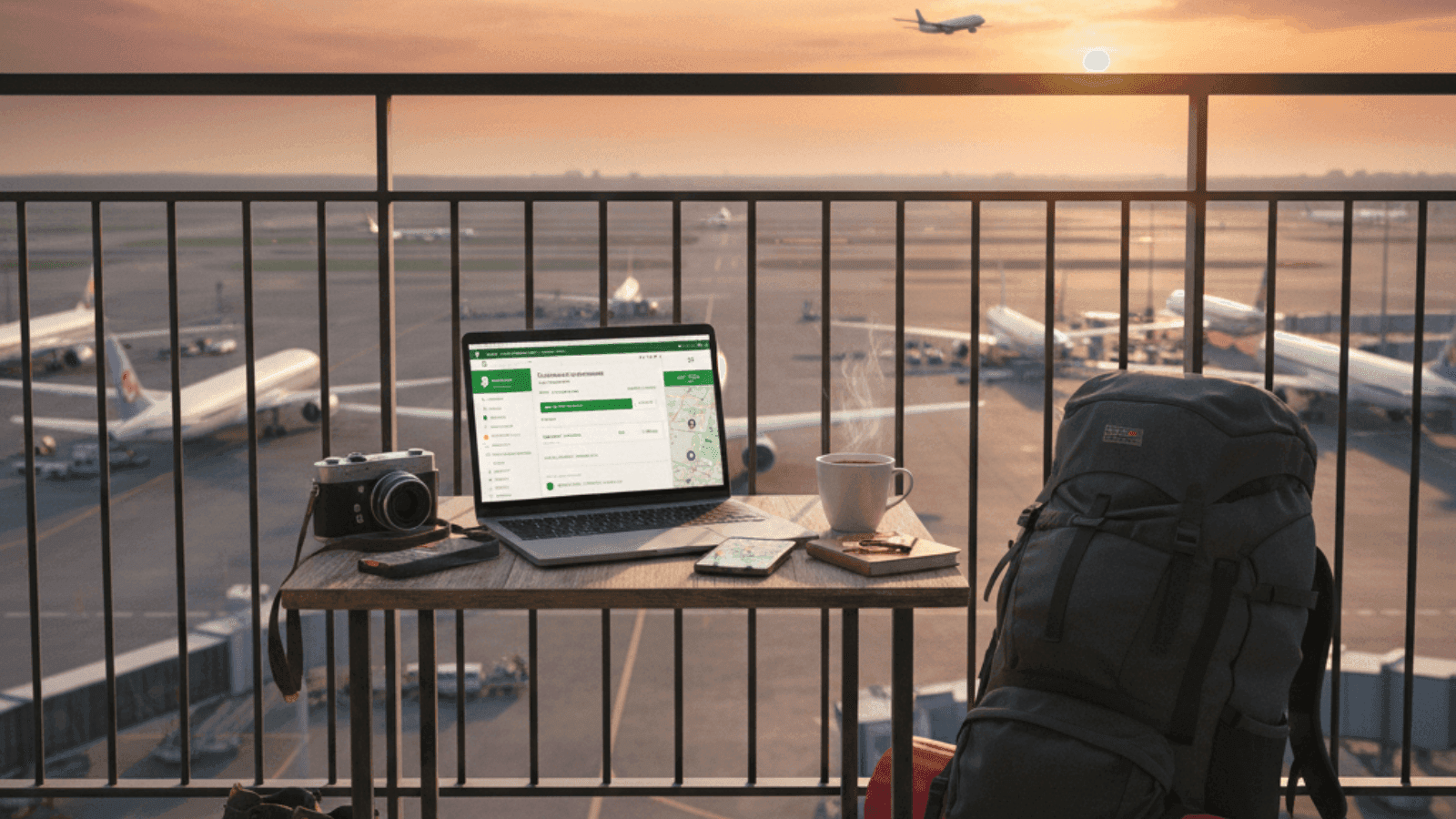
Flights Booked, Hotels Open: The Rise of Open-Ended Travel
The flight confirmation email now arrives weeks before any accommodation is decided. Across regions and budgets, travellers are locking transport first and leaving the rest open. The decision is deliberate. Fixed stays feel restrictive when weather, crowds, prices, and personal energy change faster than itineraries can keep up.
What Open-Ended Travel Actually Means
Open-ended travel is a planning style where entry and exit points are secured, but day-to-day movement and stays remain flexible. Flights, trains, or long-distance buses are booked early to control major costs. Accommodation, local transport, and sometimes even return dates are decided on the ground.
Some travellers keep only the first night booked. Others hold refundable stays and cancel based on real-time conditions. The common thread is delayed commitment.
Why Travellers Are Choosing This Now
Weather volatility has become a deciding factor. Unexpected rains, heat waves, and seasonal shifts are pushing people to move sooner or stay longer without penalty. Crowds are harder to predict. A destination that looked calm online can feel unliveable on arrival. Open-ended plans allow travellers to leave without feeling financially trapped.
Price sensitivity plays a role. Last-minute stays are often cheaper outside peak pockets, especially in smaller towns and non-resort areas. Mood matters more than before. Burnout travel is real, and many travellers are choosing rest days over ticking off plans.
Who This Style Works Best For

- Remote workers and freelancers benefit most. With fewer fixed office hours, location becomes adjustable.
- Slow travellers and repeat visitors find value here. Familiarity with a region reduces anxiety around last-minute decisions.
- Solo travellers adopt this style more easily than groups. Decision-making stays quick and personal.
- Families and large groups use partial flexibility, often fixing major stays and leaving short segments open.
What You Need Before You Travel This Way
A reliable phone and consistent internet access are non-negotiable. Many decisions are made the night before. Comfort with uncertainty matters more than experience level. This style punishes overthinkers.
A realistic daily budget helps prevent panic bookings. Flexibility works best when money decisions are clear. Basic research still applies. Knowing seasonal risks, local transport options, and rough accommodation zones prevents bad surprises.
Booking Flights Without Locking Yourself In
Some airlines allow date changes for a fee or fare difference. Others sell semi-flexible tickets that reduce penalties. Open tickets exist but are limited and often misunderstood. They usually require route selection upfront and come with strict rebooking windows.
Many travellers prefer standard tickets paired with flexible return dates, rather than true open tickets. Low-cost carriers rarely support open-ended changes without significant cost.
What To Keep in Mind While Travelling Within India
Foreign nationals must register stays in certain regions, which limits complete flexibility. In hill stations and wildlife-adjacent areas, last-minute availability drops sharply during weekends and holidays. Interstate travel rules can change quickly during weather events or local disruptions. Carrying digital and physical copies of ID is essential when accommodation is not pre-registered.
If You Are Doing This Abroad
Visa rules override flexibility. Overstaying or frequent address changes can raise red flags. Some countries require proof of onward travel or accommodation at entry. Local registration laws exist in parts of Europe and Southeast Asia. Currency fluctuations can impact daily budgets faster than expected.
Risks People Underestimate
- Decision fatigue sets in after repeated daily planning.
- Popular destinations can fill up suddenly due to festivals or weather shifts.
- Transport disruptions hit harder without buffer bookings.
- Insurance policies may not cover last-minute changes or undefined itineraries.
Why This Style Is Likely to Stay
Travellers value control over pace more than perfect plans. Digital tools have reduced the risk of moving without reservations. Work-from-anywhere culture continues to blur travel and living. Flexibility has become a form of comfort rather than uncertainty.
Accommodation Strategies That Actually Work
Booking the first night reduces arrival stress. After that, decisions become easier. Smaller properties often offer better walk-in rates than online listings, especially outside metros. Short-stay bookings of one or two nights create rolling flexibility without sleeping anxiety.
Platforms with free cancellation windows are widely used, but travellers increasingly rely on local contacts and recommendations. For travellers who want flexibility without compromising on trusted stays, Neomaxer curates accommodations that work well with open-ended plans.









