
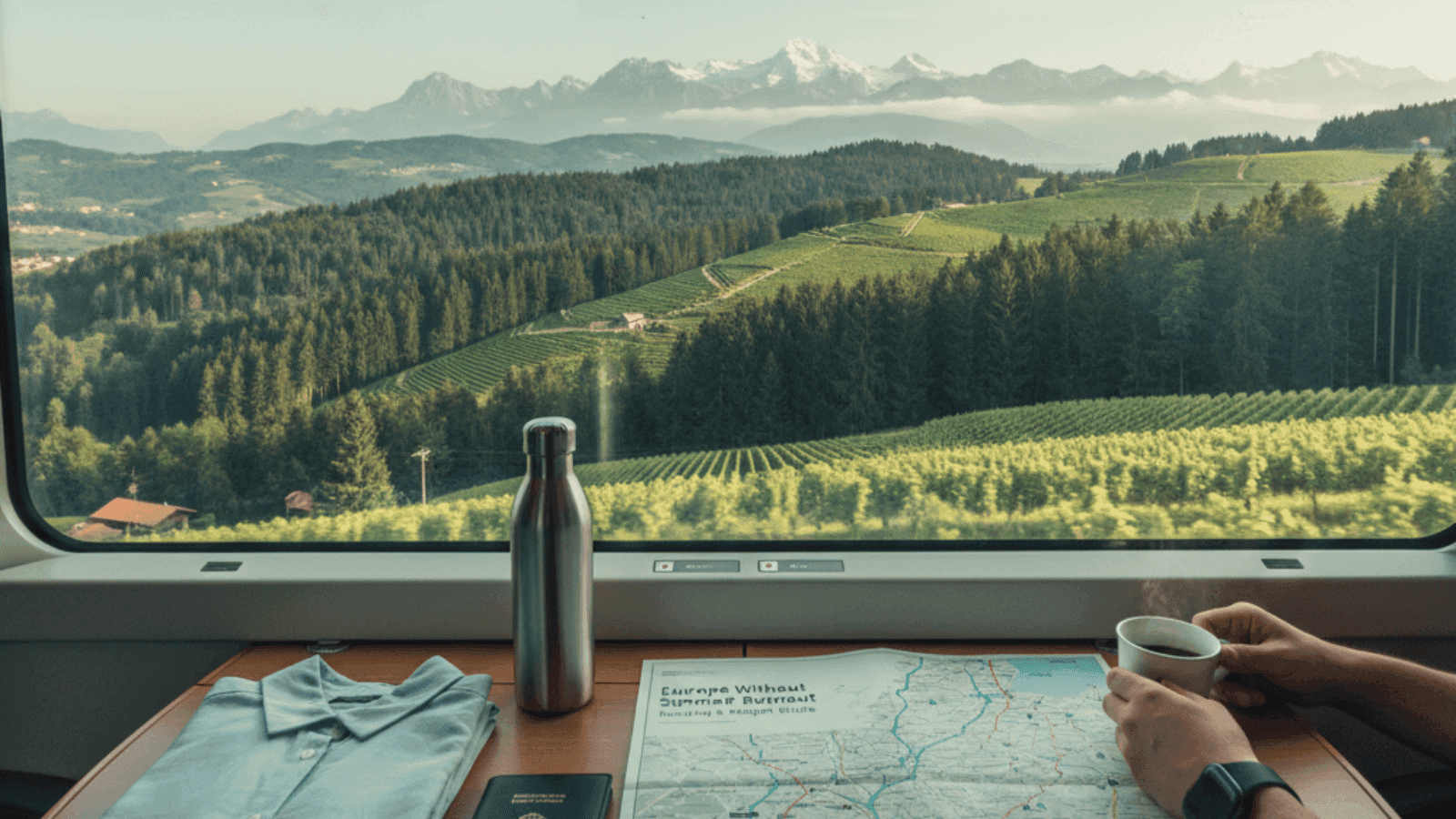
Europe Without Summer Burnout: Routes, Trains, Packing & Budget Guide
Europe after the high summer crush is a breath of fresh air. Cooler temperatures, fewer crowds, and easier walking turn cities and countryside into playgrounds again. Planning routes, trains, packing, and budgets smartly means getting more out of every step.
Choose manageable routes and destinations
Instead of trying to visit as many cities as possible, focus on a few places where you can spend more time and walk comfortably without rushing. Regional routes that let you explore an area by foot are ideal once the summer heat dies down.
For example, the stretch from Vienna to Budapest along the Danube River is a relaxed route with beautiful river views and plenty of parks to wander. Northern Italy’s loop including Milan, Lake Como, and Verona offers a mix of city life, lakeside walks, and small town charm. Spending three to four nights in each spot lets you enjoy the local streets, markets, and cafes at your own pace.
How to use trains effectively
- Book train tickets early to get the best prices, especially if your travel dates and routes are fixed. Last-minute tickets tend to be more expensive.
- Regional and slower trains often run less crowded than high-speed options and offer scenic views. They’re a good choice for travelers who want to enjoy the journey, not just the destination.
- Try to travel in the morning. Early trains help you arrive at your next stop with plenty of time to explore without rushing.
- Avoid late-night train travel when possible. Arriving late means less time to walk around and get a feel for a new place.

What to pack for walking and changing weather
Packing right can make or break your walking days. Layered clothing is a must because the weather can swing from chilly mornings to mild afternoons and occasional rain. Pack lightweight, breathable shirts, a fleece or soft jacket for warmth, and a waterproof shell for unexpected showers.
Comfortable footwear is key. Choose hiking shoes or sturdy sneakers that work for city streets and light trails alike. Blisters or sore feet will quickly spoil the fun.
A small daypack keeps essentials handy: water, snacks, a camera, chargers, and maybe a light scarf or hat. Keep your main luggage light and easy to carry on trains and buses. Rolling your clothes saves space and reduces wrinkles.
Budget tips for off-peak travel
- Choose family-run guesthouses or pensions over big city-center hotels for better prices and a more local feel.
- Many museums and attractions offer lower admission prices outside peak months. Check online for seasonal deals.
- Buying fresh food at local markets is an affordable way to eat well. Grab bread, cheese, fruit, and other picnic basics to enjoy on the go.
- Tap water is safe across most of Europe. Carry a reusable water bottle and refill it to save money and reduce plastic waste.
Best ways to balance walking and local transport
Walking is the best way to discover cities, but some distances are too long or tiring. Mix in public transport like trams, buses, or ferries to stretch your legs without missing out on exploring.
In cities like Amsterdam, a canal boat ride offers a relaxing break and new views. In Switzerland, buses connect charming villages to alpine trails efficiently. Using local transport for longer hops keeps your walking days manageable and opens up more ground to cover.
Tips for timing your walking days
Start your walks mid-morning when the air has warmed up a bit but there’s still plenty of daylight left. Cooler months mean less sweat and more comfortable pacing.
Plan a rest or lighter day every four to five days. This might be a slower train ride, a museum day, or a café day spent people-watching. Short breaks during walking, like stopping for a coffee or visiting a small gallery, help prevent fatigue and keep your energy steady.
Soreness sneaks up quietly, so listen to your body. It’s better to pause and enjoy a slower pace than push through exhaustion.
Snacks and hydration for longer days
Carrying snacks on your walks keeps your energy steady and helps avoid hunger-induced fatigue. Nuts, dried fruit, granola bars, or fresh pastries from local bakeries make perfect on-the-go options.
Drink water regularly throughout the day. Even when it’s cool, dehydration can sneak up, especially if you’re walking several hours. Keeping a reusable bottle filled lets you stay hydrated without spending on bottled drinks.
How to stay flexible with your itinerary
Plans change. Weather shifts. Trains get delayed. New places catch your eye. Leave buffer time between stops to adjust without stress. Treat your itinerary as a guide, not a rulebook. Sometimes the best walks come from spontaneous detours - following a quiet street or stopping at a neighborhood market.
Walking Europe outside the summer crush is as much about slowing down as it is seeing new sights. Taking your time means you notice more: the sound of church bells, a perfect spot for a coffee, the feel of cobblestones underfoot.
If you want stays that feel like home after long days of walking and train rides, Neomaxer has you covered with cozy, convenient options across Europe.









