

The Only Valley in India Where the Rare Dzukou Lily Blooms Each Monsoon
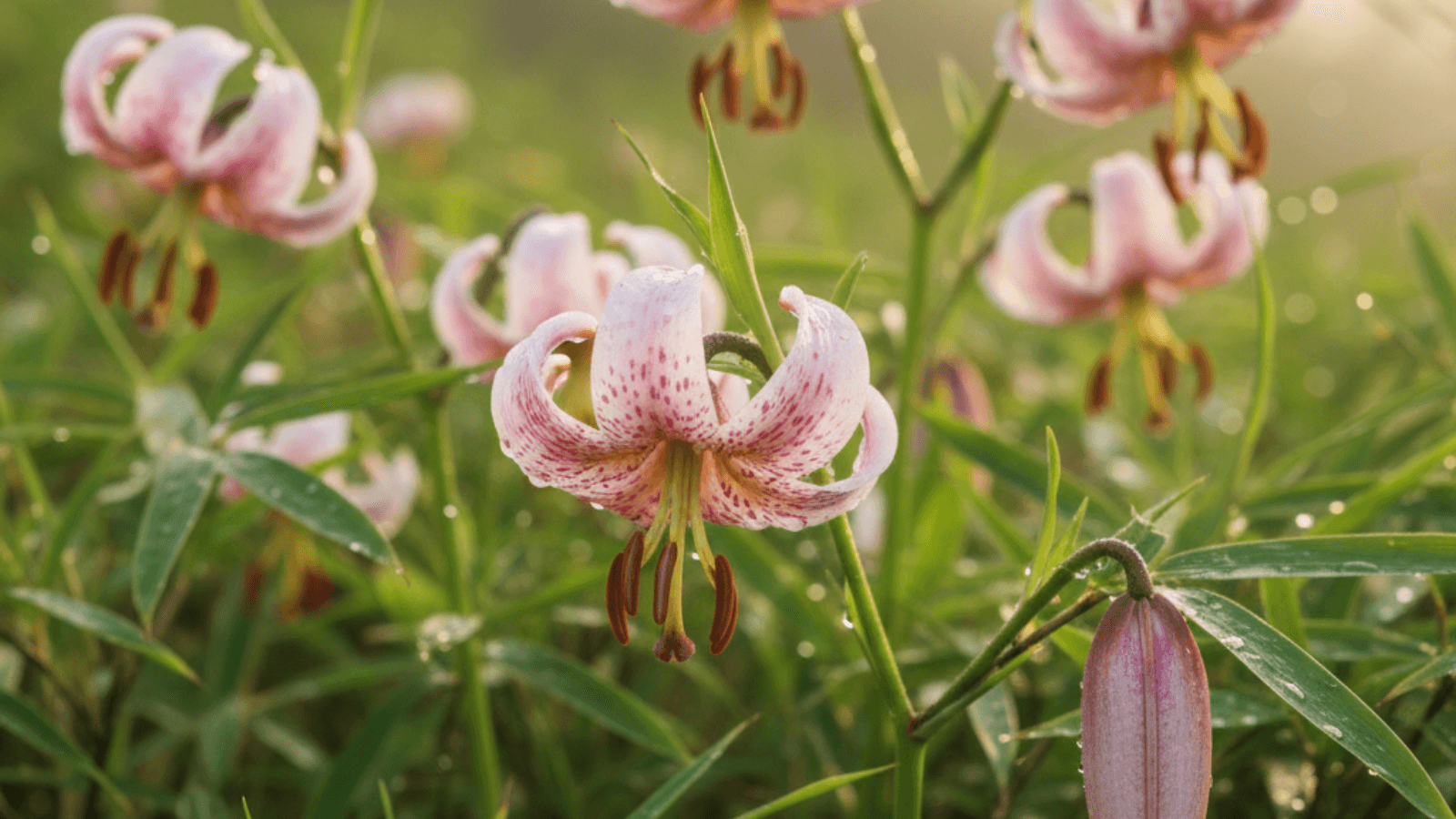
The first time you see the Dzukou Lily, it does not look rare at all. It grows quietly across the valley floor, pale pink and white, as if it has always belonged there.
Dzukou Lily Blooms July-August Only
Dzukou Valley sits high above the clouds at around 2,400 meters, hidden between the hills of Nagaland and Manipur. For most of the year, it stays green and open, but July and August change everything. That is when the Dzukou Lily blooms, and the valley shifts into something softer and more delicate.
The flower exists only here. It was first documented in this valley and does not naturally grow anywhere else in the world. The bloom lasts barely a few weeks, and its timing depends on the monsoon. Too early, and the buds are still closed. Too late, and the petals have already fallen into the grass.
Trek Starts from Viswema Zero Point
The most reliable route into the valley begins from Viswema Zero Point, about 22 km from Kohima. The road ends at a small clearing where trekkers register and begin the climb.
The trek is about 8 to 10 km, depending on the exact campsite. The first stretch is steep and forested, with bamboo, wet soil, and uneven stone steps. After the ridge, the terrain opens up, and the valley appears without warning.
During monsoon, the trail becomes slippery. Water flows across the path in thin streams, and every step needs attention. But this is also when the valley is at its best.
How to Reach Dzukou Valley from Kohima
- Shared sumos run from Kohima to Viswema via Pfutsero, taking about 3 hours and costing around Rs 400 per person
- Private taxis from Kohima go directly to Viswema Zero Point via a rough 40 km road, costing around Rs 2000
- Buses from Kohima ISBT drop passengers at Jakhama, from where the trek route begins
- Bike rentals are available in Kohima, and the ride to the basecamp via NH-2 is scenic and manageable
Best Weeks for Peak Lily Coverage
The bloom usually begins in early July and peaks between mid-July and mid-August. This is when the highest number of lilies are visible across the valley floor.
Rain plays a direct role in the bloom. A strong monsoon brings denser coverage, while weak rainfall means fewer flowers. Locals often know the best weeks, and checking in Kohima before starting the trek helps.
Morning is the best time to see the lilies clearly. Mist often settles in the afternoon, reducing visibility across the valley.
Valley Campsites with Lily Field Views
Camping inside the valley changes how you experience it. The main campsite sits near a stream, surrounded by open grassland. From here, lily patches are visible within walking distance.
Tents can be rented locally, or trekkers bring their own. Nights are cold, even during monsoon, and temperatures drop quickly after sunset. The valley becomes silent except for wind and water.
Clouds move fast here. One moment, the valley is fully visible. The next, everything disappears.
Packing for Slippery Monsoon Trails
- Trekking shoes with strong grip are essential because the trail becomes muddy
- Rain protection like ponchos or waterproof jackets keeps movement easier
- Extra socks help prevent blisters from wet shoes
- Lightweight backpacks reduce strain during steep climbs
- Dry bags protect phones, cameras, and clothes from rain
Nagaland Permit Checkpoints
Visitors entering Nagaland must carry an Inner Line Permit. This is checked at multiple points, including entry roads and trekking routes.
Indian travellers can apply online or at Nagaland House offices in cities like Guwahati or Kolkata. Foreign travellers must register but do not need the same permit.
Without the permit, entry beyond certain checkpoints is not allowed.
Guided Treks vs Solo Valley Loops
Guides are available in Viswema and Kohima, and many trekkers choose them during monsoon. They know the safest routes and campsite locations.
Solo trekking is also common because the main trail is clear. But fog can reduce visibility quickly, and losing the trail inside the valley is possible. Local guides help navigate lesser-known loops where lilies grow in denser clusters.
Some of the best lily patches sit away from the main trail, in quiet sections where fewer trekkers walk.
If the Dzukou Lily bloom is on your travel list, finding the right stay near Kohima makes the journey smoother and far more memorable. Browse handpicked hillside homes and peaceful retreats at Neomaxer.









