
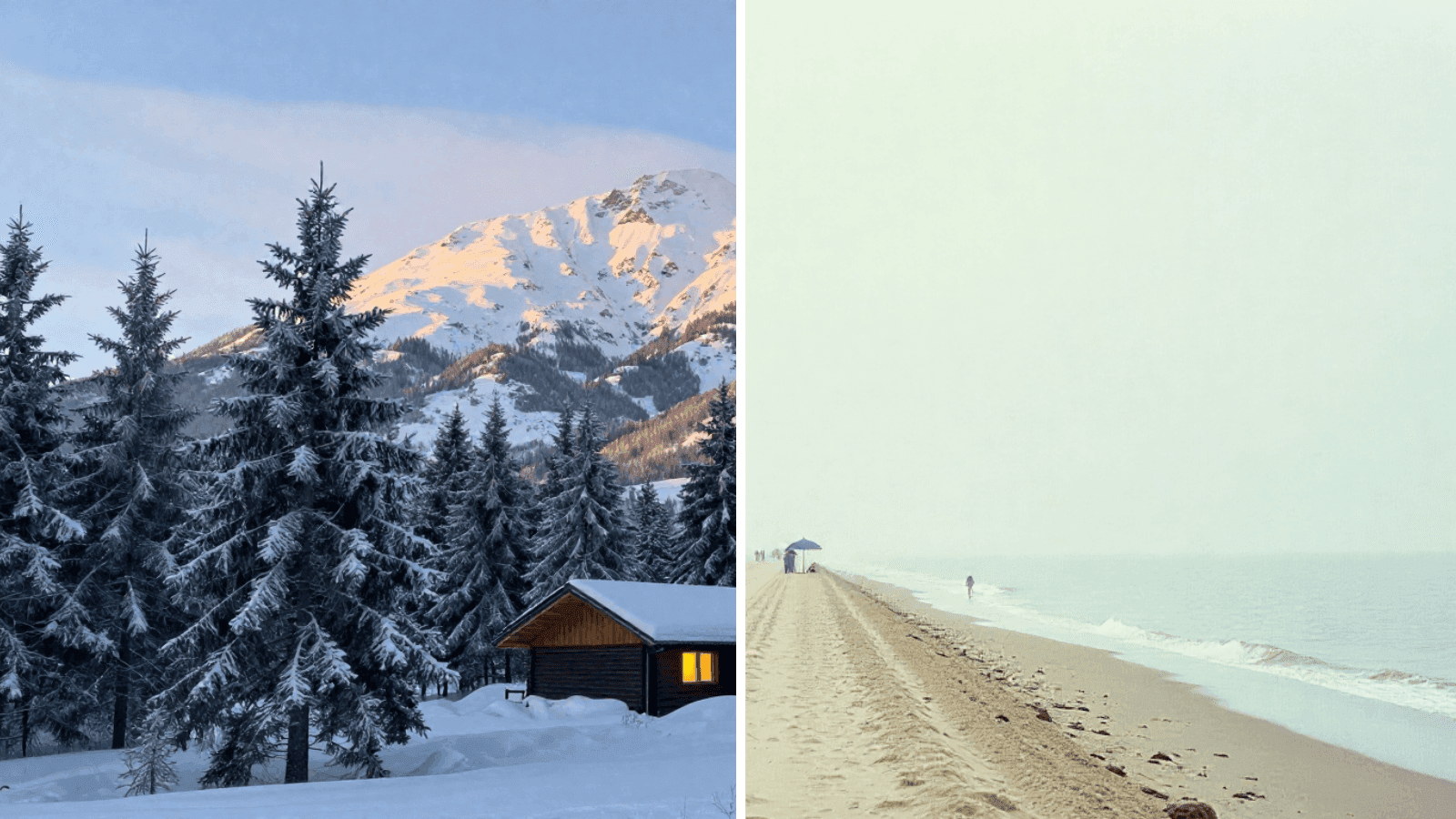
Cold Destinations Rise While Beach Towns Plateaued
Cold destinations began filling up earlier in the season, with longer average stays and fewer last-minute cancellations. Beach towns remained busy, but the momentum shifted north and upward.
Japan

Movement stayed reliable
Snow did not interrupt travel the way it does in many destinations. Trains stayed punctual. Roads were cleared quickly. Internal travel remained predictable even during heavy snowfall. That reliability changed behaviour. Travellers booked longer stays, planned tighter connections, and moved between cities and mountain regions without padding days for buffer time.
Cities gained breathing space
Tokyo, Kyoto, and Osaka felt different in winter. Streets were active but not crowded. Sightseeing flowed without queues shaping the day. Seasonal food, winter-only festivals, and shorter daylight hours slowed the pace naturally. Ryokans, heated floors, and outdoor onsens added contrast instead of distraction. Cold sharpened the experience instead of limiting it.
Eastern Europe

Urban life didn’t pause for winter
These cities stayed functional in the cold. Public transport ran normally. Cafés and restaurants kept regular hours. Streets remained walkable even after snowfall. Winter reduced crowd density without draining energy. Travellers could move through historic centres without peak-season congestion shaping every decision.
Days stretched inward, not shorter
Thermal baths, indoor markets, and long evenings indoors defined the rhythm. People planned fewer outdoor hours and lingered longer over meals and conversations. Pricing stayed steady. Accommodation and food costs remained accessible, making extended stays realistic rather than indulgent. Winter felt lived-in, not staged.
Indian Hill Regions

Snow became something to plan around
Better road updates, clearer local communication, and improved access information reduced hesitation. Travellers planned around weather windows instead of waiting for perfect conditions. Winter trips were no longer booked only for snowfall. Cold itself became part of the appeal, shaping daily routines rather than acting as a risk factor.
Longer stays replaced packed itineraries
Instead of moving rapidly between viewpoints, travellers stayed put. Homestays and small properties adapted with heating, insulation, and honest guidance about access. Days started later. Afternoons shortened. Evenings moved indoors. The slower pace allowed people to settle into place rather than move through it.
Why Beach Towns Plateaued This Season?
- Coastal destinations stayed busy, but growth flattened.
- High temperatures during peak months reduced comfort. Crowd density increased noise and visual fatigue. Travel patterns felt familiar, even when destinations changed.
- Beach travel offered ease, but little variation. Cold destinations added constraint. Shorter days. Layered clothing. Fewer impulsive plans.
- Those limits changed behaviour. Travellers stayed longer once routines settled, rather than hopping between places to fill time.
For travellers planning winter stays across colder regions, Neomaxer makes it easier to find properties suited for longer, quieter travel rather than rushed stopovers. The stays focus on location, comfort, and flexibility, especially in destinations where slowing down is part of the experience.









