
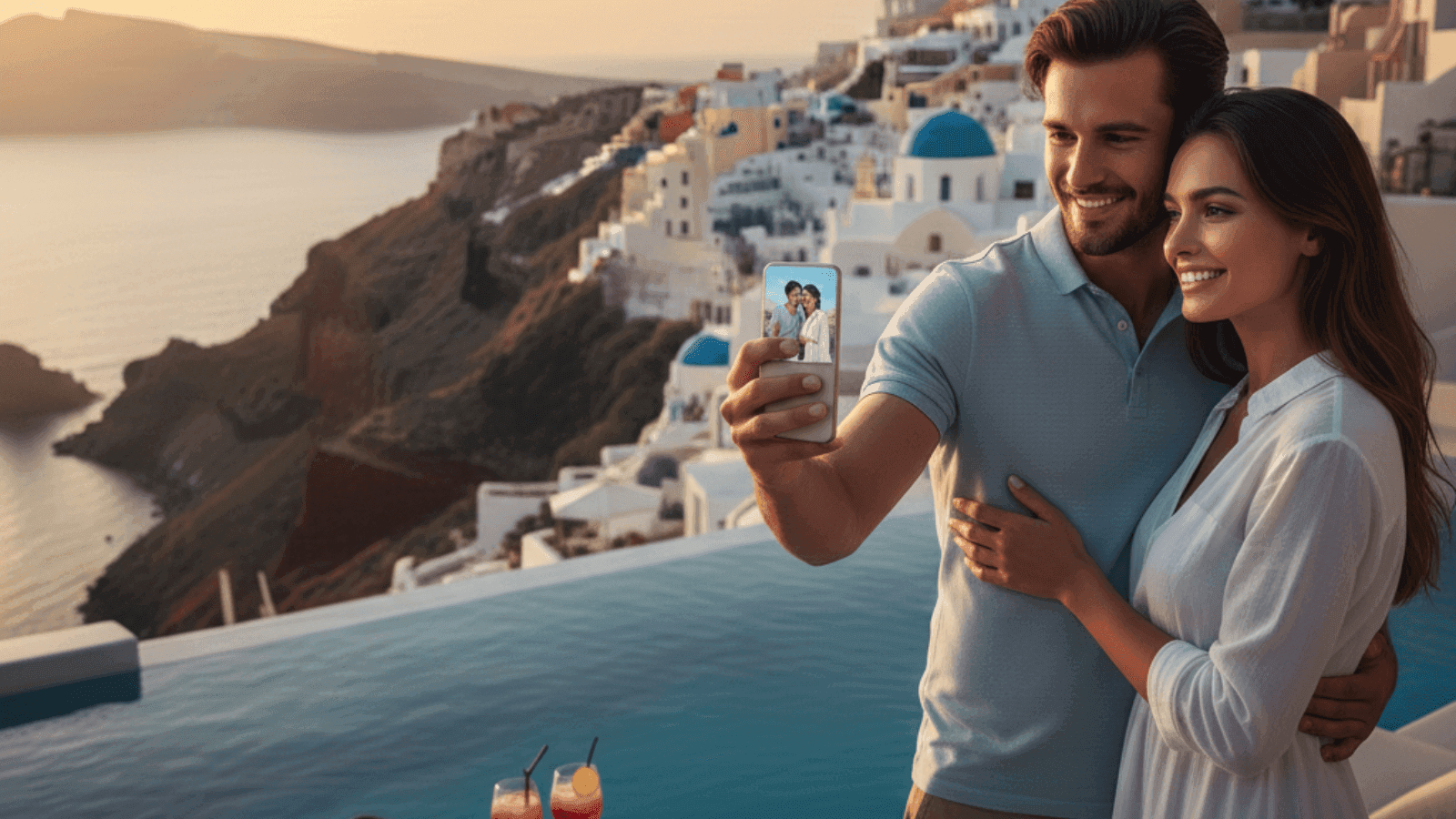
Celebrity Travel Posts Are Delayed for Privacy Reasons
That beach photo didn’t go up when it was taken. Neither did the airport selfie or the quiet café shot with no crowds in the background. Public figures travel in real time, but what you see online usually arrives much later.
Why Public Figures Avoid Posting Travel Live
Travel creates fixed patterns. Airports, hotels, cafés, gyms, and beaches turn into repeated points on a visible route. When posts go live immediately, that route becomes traceable. Celebrities are not reacting to online criticism. They are reacting to physical outcomes. Fans show up uninvited. Photographers wait outside hotels. Strangers connect multiple posts to estimate schedules. A live post confirms presence in a way no rumour ever can. Delayed posting breaks that confirmation loop. The image still exists. The moment still happened. But the risk window has already passed.
Visibility Changes the Nature of a Place
A restaurant stays anonymous until a public figure posts from it. Once shared live, staff are contacted, crowds gather, and privacy disappears for everyone present. Posting later keeps the location functional instead of turning it into a spectacle.
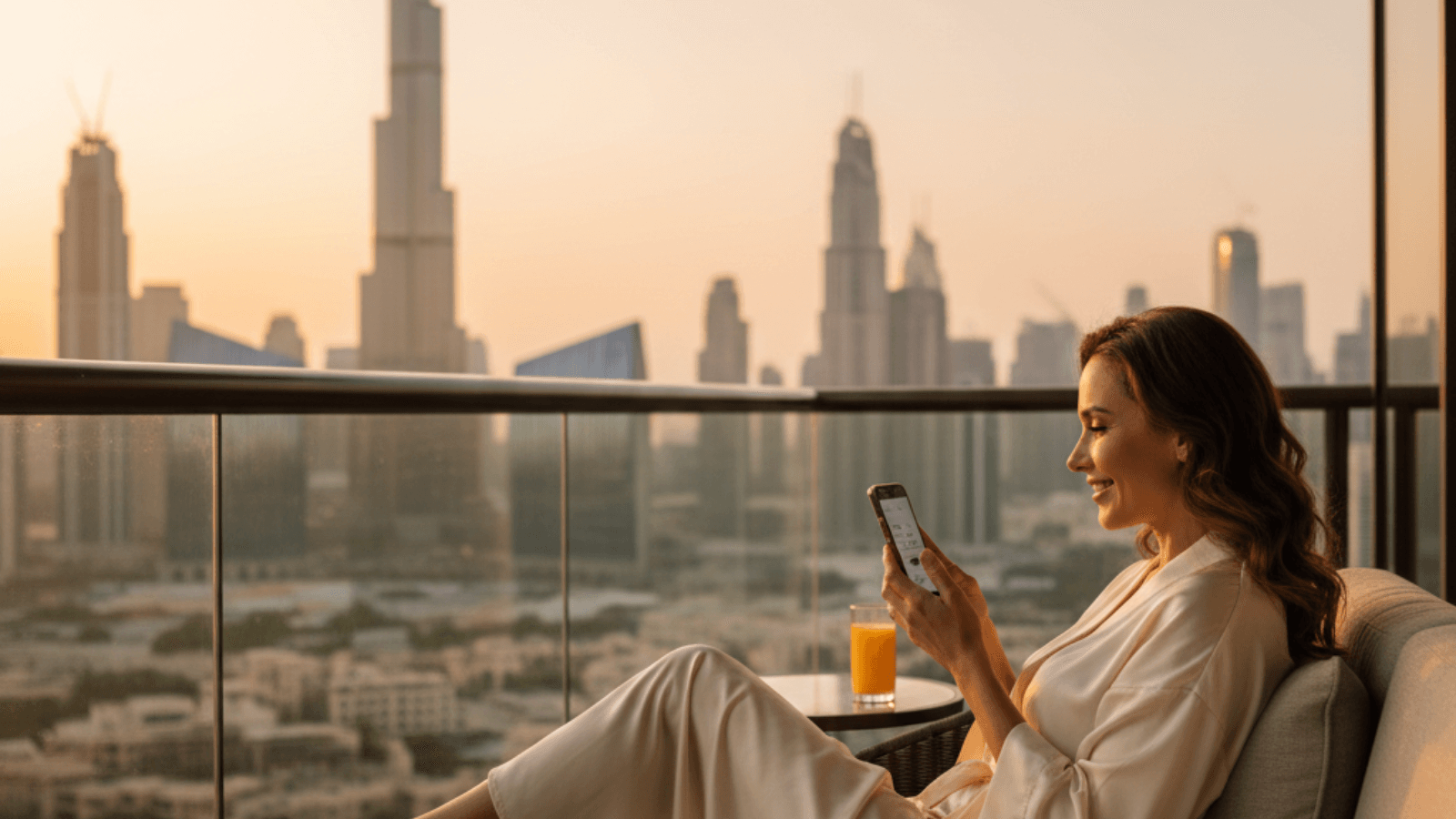
Privacy Concerns Drive the Delay
Privacy is not secrecy. It is control over timing. Public figures often travel with family, assistants, security staff, or children. Live posts reveal more than scenery. They show who is present, who is missing, and how protected or unprotected a moment is. Children are a major factor. Schools, holiday homes, and familiar routines become identifiable when travel posts are live. Delaying posts protects people who never consented to public attention.
Metadata Makes It Worse
Photos contain silent signals. Lighting direction, weather conditions, menus, language on signs, and surrounding architecture narrow down time and place even without geotags. When shared later, those signals lose relevance. Privacy teams treat time separation as a basic safeguard, not an advanced tactic.
Risks of Posting Travel in Real Time
- Confirms current location to strangers
- Enables stalking and unwanted physical encounters
- Allows schedule prediction across multiple posts
- Exposes accommodation details unintentionally
- Puts companions and staff at risk
- Disrupts public spaces and businesses
- Creates pressure to perform safety instead of enjoying travel
These risks are documented through repeated incidents, not theory. Delayed posting removes immediacy, which removes leverage.
How This Changes Travel Sharing
Travel posts shift from documentation to reflection. Instead of narrating a trip as it unfolds, public figures present it as a completed experience. Captions move to past tense meaning, even if written grammatically in present form. The post becomes about memory, not presence. Stories are batched. Photos are edited together. Locations are softened to regions rather than exact spots. The feed stays visually rich without acting as a live tracker.
The Feed Still Feels Current
Delayed does not mean outdated. Most audiences do not distinguish between a photo taken today and one taken last week. What they respond to is clarity, composition, and context. The absence of “right now” language keeps posts fluid and believable without revealing timing.
Fans and Creators Follow the Pattern
Audience behaviour mirrors what it sees. When celebrities delay posts, creators with smaller platforms adopt the same habit. Travel influencers increasingly post trips after returning home. Geotags become broader. Stories disappear during the stay and appear later as curated sets. The norm shifts without explanation. This happens because the logic is obvious once noticed.
Why Late Posting Works for Most
Delayed posting protects the traveller first. It also protects locals, businesses, and companions who did not sign up for attention. The internet still gets content. The experience stays intact. No one loses access to inspiration or storytelling. What changes is the assumption that visibility must be immediate.
The Internet Does Not Require Coordinates
A place can be shown without being announced. A journey can be shared without being tracked. The value of travel content does not depend on timestamps. People learn this by watching those with the most to lose act accordingly. When travel is planned with privacy in mind, where you stay matters just as much as when you post. Neomaxer focuses on stays that value space, discretion, and comfort, making it easier to travel well without broadcasting every move









