
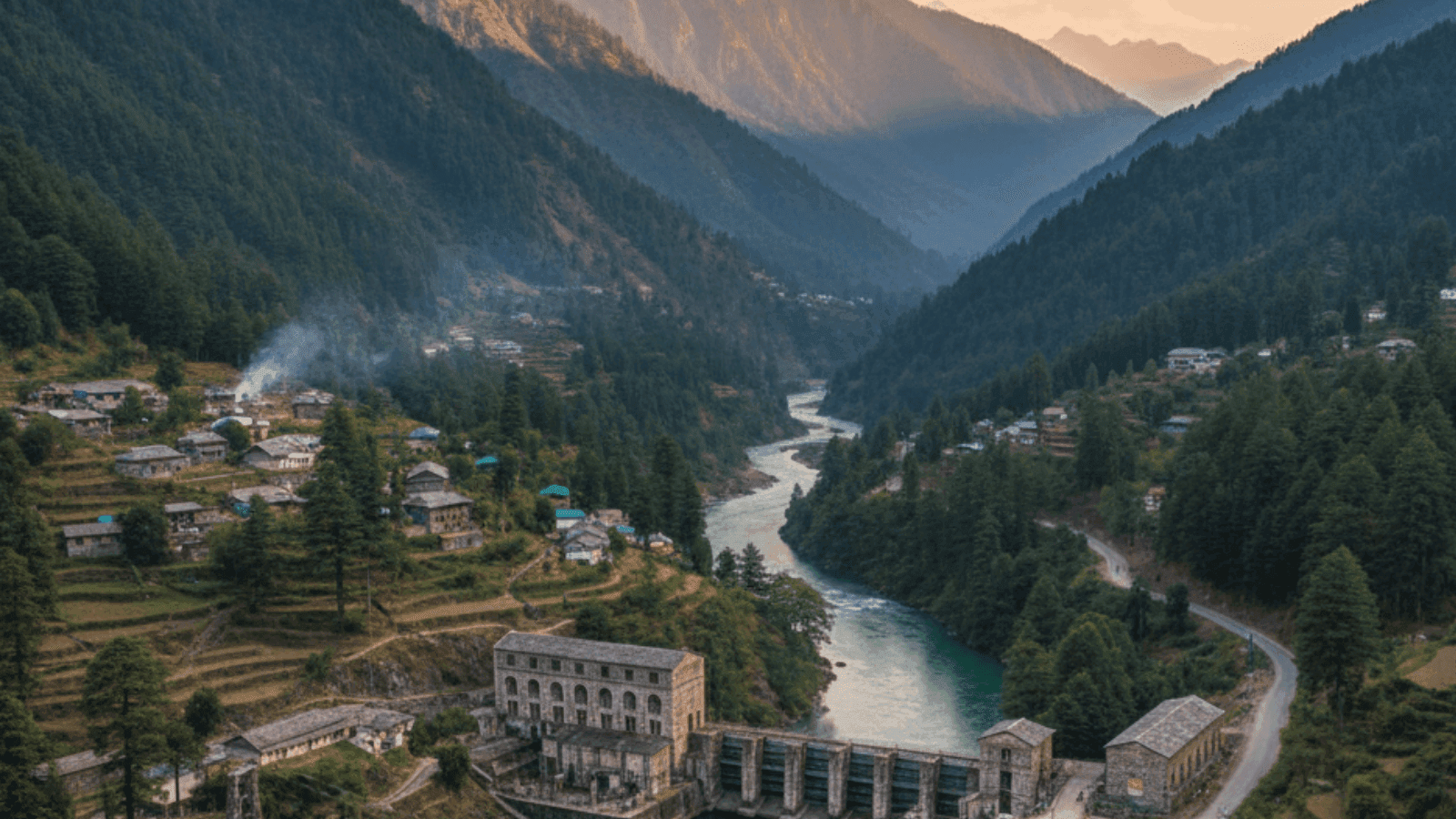
The Hidden Himalayan Valley Known for Trout Fishing and Forest Treks
Some valleys run on café menus and souvenir stalls. Barot runs on river water, pine smoke, and the quiet patience of trout anglers standing knee deep in the Uhl River. Walk a little farther and the forest trails begin, leading toward cedar groves, small hill villages, and long mountain afternoons.
Where Barot Valley Sits in the Himalayas
Barot lies about 70 km from Mandi and around 1,800 meters above sea level. The valley is surrounded by the Dhauladhar range and the forests of the Nargu Wildlife Sanctuary. The road winds through small hill settlements before dropping into a narrow valley where the Uhl River flows steadily beside farms, trout ponds, and wooden houses.
Trout Fishing Season in Barot Valley
The Uhl River is stocked with brown trout and rainbow trout, making Barot one of the few accessible trout fishing spots in Himachal Pradesh. Fishing is regulated by the Himachal Fisheries Department and requires a permit.
The main trout fishing season runs from April to October when the river levels are stable and the water stays cold enough for trout to thrive.
Best Months for Clear Trek Trails
Spring and early autumn bring the clearest trekking conditions. April to June offers open trails with blooming rhododendrons and mild temperatures. September and October come after the monsoon when the forests look freshly washed and the air is crisp.
During July and August, landslides and slippery trails become common because of heavy rains along the mountain roads.

Full Day Fishing and Forest Itinerary
- Morning rod rental Rs 300 catch up to 3 kg trout along the Uhl River stretches near Barot bridge
- Noon Nargu Pass trail 5 km moderate forest trek inside Nargu Wildlife Sanctuary entry free
- Afternoon Kinnaur village walk 2 km flat path through farms small homestays offer tea and snacks
- Evening Jibhi waterfall dip small forest cascade entry around Rs 50 depending on season
Reaching Barot from Mandi Bus Stand
- HRTC local bus from Mandi takes around 3 hours ticket roughly Rs 180 morning departures most reliable
- Shared taxi from Mandi to Stone Valley drop around 2.5 hours fare about Rs 400 per seat
- Bike rental from Mandi base around Rs 800 for full day fuel extra good option for experienced riders
- Private cab roundtrip roughly Rs 3500 covers mountain curves and waiting time
Forest Treks That Start Near the River
Many trails begin directly from Barot village without marked signboards. Locals usually guide visitors toward paths that lead into cedar forests or grazing meadows above the valley.
One of the most walked routes is the trail toward Nargu Wildlife Sanctuary. The path follows forest ridges where Himalayan monal pheasants and barking deer are sometimes spotted early in the morning.
Quiet Villages Around the Valley
Villages like Lohardi, Kothi Kohar, and Bada Gran sit scattered along the valley slopes. Houses are built with wood and stone, and many families maintain small trout farms connected to river channels.
Walking through these settlements often leads to open fields where locals dry maize and chilies in the sun. Homestays here are simple but welcoming, usually run by families who have lived in the valley for generations.
Weather and Road Conditions to Watch
The road between Jogindernagar and Barot passes through Jhatingri, a narrow stretch that occasionally faces roadblocks during heavy rain. Landslides can slow travel during peak monsoon months. Winter months from December to February bring cold temperatures and occasional snowfall, which reduces road traffic but also makes the valley much quieter.
Small Details Travelers Notice First
Barot does not have large hotels or busy markets. Most evenings end with the sound of river water and distant temple bells echoing across the valley.
The walking bridges across the Uhl River creak slightly when crossed, and trout sometimes flash silver just beneath the current near the rocks. Homestay fires burn pine cones after sunset while trekkers rinse trail dust from their shoes beside the river.
Camps and Homestays Near the Uhl River
Riverside camps in Barot fill quickly during weekends, especially between May and October when anglers and trekkers arrive from nearby cities. Midweek stays are easier to book and often quieter.
Many homestays still use wood-fired kitchens and traditional Himachali cooking methods. After evening treks, hosts sometimes light small fires using dried pine cones collected from the forest floor.
Planning a stay near rivers, forests, and mountain trails like Barot Valley? Neomaxer helps travelers find unique stays and homestays that bring them closer to these places.









