
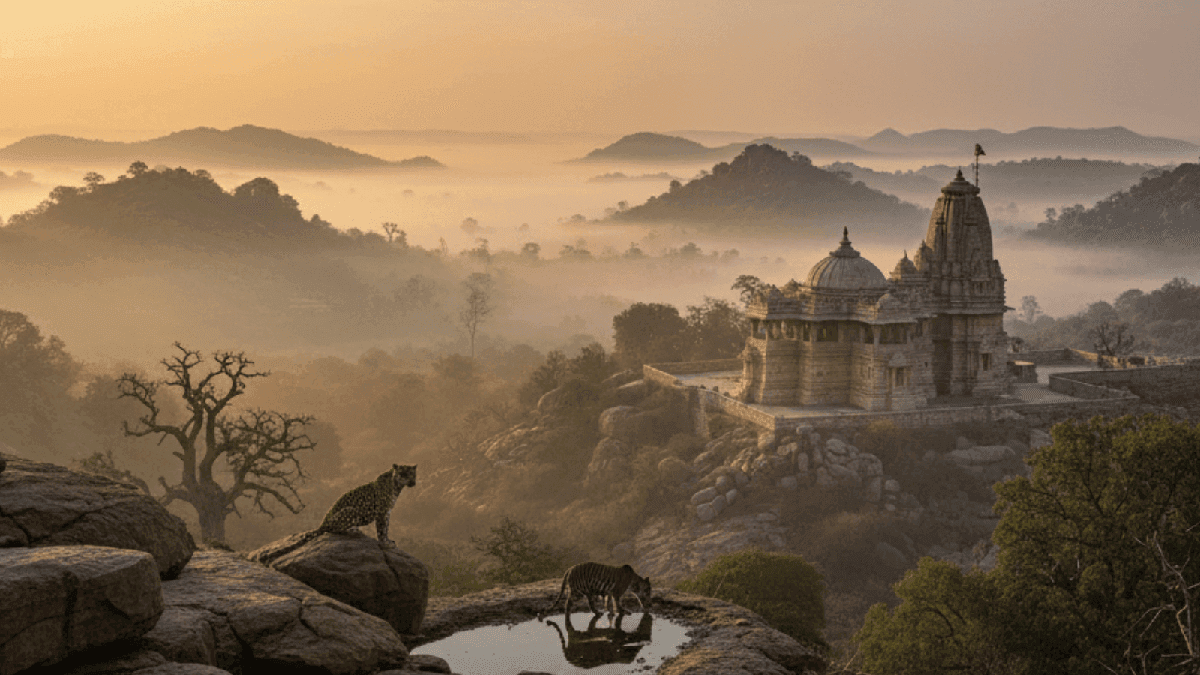
The Aravalli Range at 3.6 Billion Years: What Makes It So Unique
The Aravalli Range was already old before dinosaurs existed. Long before complex life took shape. Even before continents settled into anything close to what we see today. Stretching across Gujarat, Rajasthan, Haryana, and Delhi, the Aravallis began forming during the Proterozoic era, roughly 2 billion years ago. Some sections of the range contain rocks dating back as far as 3.6 billion years, placing them among the oldest exposed geological formations on Earth. For comparison, the Himalayas are around 50 million years old. Most mountain ranges as ancient as the Aravallis have been flattened by erosion or destroyed by tectonic activity. These hills survived.
Why These Hills Look Nothing Like Mountains
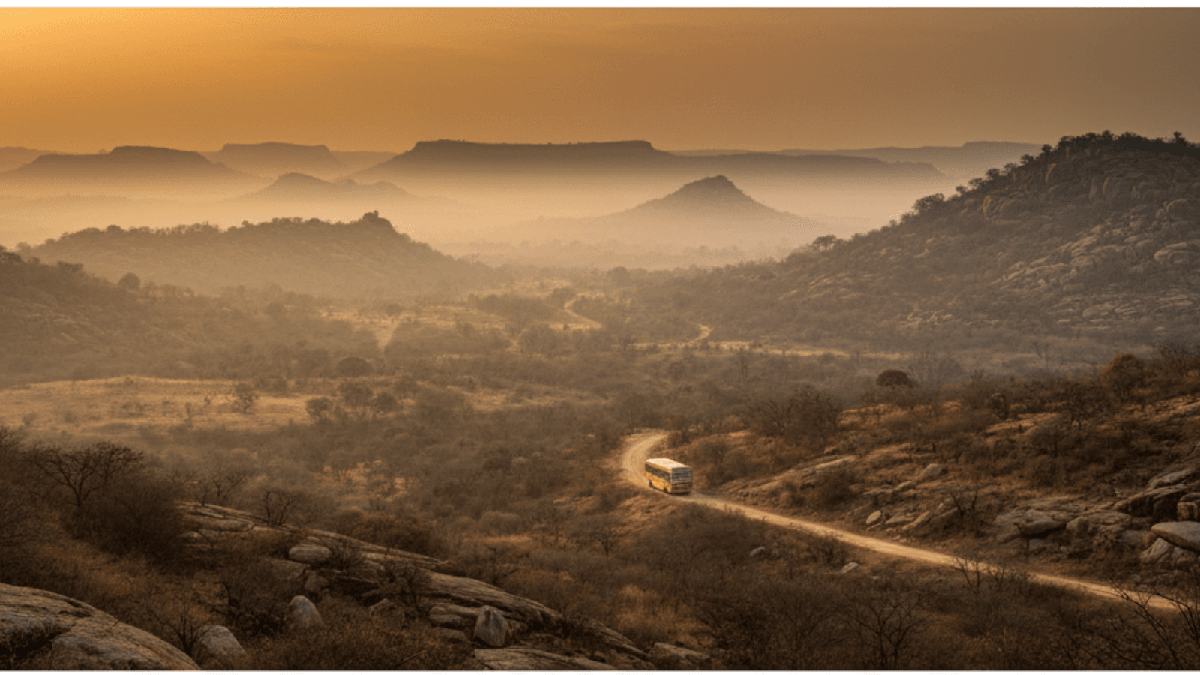
At first glance, the Aravallis don’t look like mountains at all. There are no sharp peaks, no dramatic climbs, and no snow-covered ridges. Instead, you see low, uneven hills running quietly through desert landscapes. That appearance is the result of time. Over billions of years, wind, water, and shifting land plates have worn these mountains down. What were once towering formations have slowly eroded into gentle ridges. The rocks exposed today are some of the oldest surface rocks on the planet. The range stretches for nearly 800 kilometres, starting near Palanpur in Gujarat and moving through Rajasthan into Haryana and Delhi. Mount Abu, the highest point, rises to 1,722 metres. It may not impress by Himalayan standards, but its survival alone is extraordinary.
What These Mountains Actually Do for North India
- Slowing the eastward spread of the Thar Desert
- Influencing wind flow and rainfall patterns
- Helping retain moisture in arid regions
Impact on Water and Air Systems
The range also supports everyday survival across several states.
- Rainwater moves slowly across Aravalli slopes, allowing groundwater recharge
- Aquifers fed by these hills supply farms and cities
- Dust storms moving east from Rajasthan are partially blocked
In Delhi and the NCR, this natural barrier helps reduce airborne dust. It doesn’t eliminate pollution, but it softens one major source of it.
Role as a Wildlife Corridor
The Aravallis form long, connected pathways for wildlife movement.
- Animals move between forests and protected zones
- Genetic diversity remains stable
- Local extinctions are reduced
When sections of the range are broken by mining or construction, these corridors collapse.
Places Where You Can Actually Experience This Ancient Range
Several protected areas allow visitors to experience the Aravalli Range up close. Each location sits on the same ancient geological foundation but shows a different side of how these hills shape climate, wildlife, and landscape.
Mount Abu
Mount Abu is Rajasthan’s only hill station and the highest point in the Aravalli Range. Cooler temperatures, forest cover, and varied vegetation set it apart from the surrounding desert. The Mount Abu Wildlife Sanctuary supports leopards, sloth bears, jungle cats, and a wide range of birdlife, making it one of the most ecologically diverse parts of the range.
Sariska Tiger Reserve

Kumbhalgarh Wildlife Sanctuary
Surrounding the historic Kumbhalgarh Fort, this sanctuary protects steep slopes and dense forest cover. Leopards, wolves, sloth bears, and nilgai thrive here. The rugged terrain makes it clear that these hills were shaped long before modern landscapes took form.
Jhalana Leopard Safari Park
Located within Jaipur city limits, Jhalana shows how the Aravallis extend into urban areas. It is one of the most reliable places in India to spot leopards. Desert foxes, striped hyenas, and birds of prey also inhabit this protected stretch of the range.
The Delhi Ridge
The Delhi Ridge marks the northernmost edge of the Aravalli Range. One of the world’s oldest mountain systems runs directly through a modern megacity. Despite intense urban pressure, the ridge still supports nilgai, jackals, porcupines, and a wide variety of bird species.
Aravalli Biodiversity Parks
Located across Gurugram and the Delhi-NCR region, these parks demonstrate what ecological restoration can achieve. Degraded land has been revived using native grasslands, scrub forests, and wetlands. Today, the parks attract migratory birds, butterflies, and small mammals, showing that even damaged Aravalli land retains strong ecological potential.
The Desert Edge Nobody Thinks About
Where the Aravallis meet the Thar Desert, a unique transition zone forms. Scrub forests and grasslands here support species adapted to extreme conditions.
- Indian wolves
- Desert cats and foxes
- Seasonal migratory birds
This ecological edge has existed for billions of years. Today, it matters more than ever. Climate change is accelerating desert expansion and water stress. The Aravallis slow these processes, protecting regions far beyond their visible boundaries. Scientists often point out that significance isn’t defined by height. The Himalayas are younger and taller. The Aravallis are older, quieter, and more worn down, yet they continue to support life across North India.
Why the Height Debate Matters for Travelers
Legal definitions around what qualifies as “Aravalli land” directly affect what survives. Areas that lose protected status become vulnerable to:
- Mining
- Construction
- Loss of trails and access
- Fragmentation of wildlife corridors
Well-known sites like Mount Abu and Sariska are relatively secure. The real risk lies in the less visible stretches - the connecting ridges and low slopes that hold the system together. For travelers interested in geology, wildlife, or landscapes that feel genuinely different, the Aravallis offer something rare. This isn’t a recreated ancient environment. It’s the original terrain, shaped billions of years ago and still standing. Current legal and political decisions will decide whether future visitors walk through forests and ridges or pass industrial zones instead. What remains accessible tomorrow depends on what is protected today. For travellers moving through the Aravalli region, choosing where to stay affects how easily different areas can be reached. Neomaxer lists stays across India, including locations near the Aravalli range, which can help when planning travel beyond major tourist centres.









