
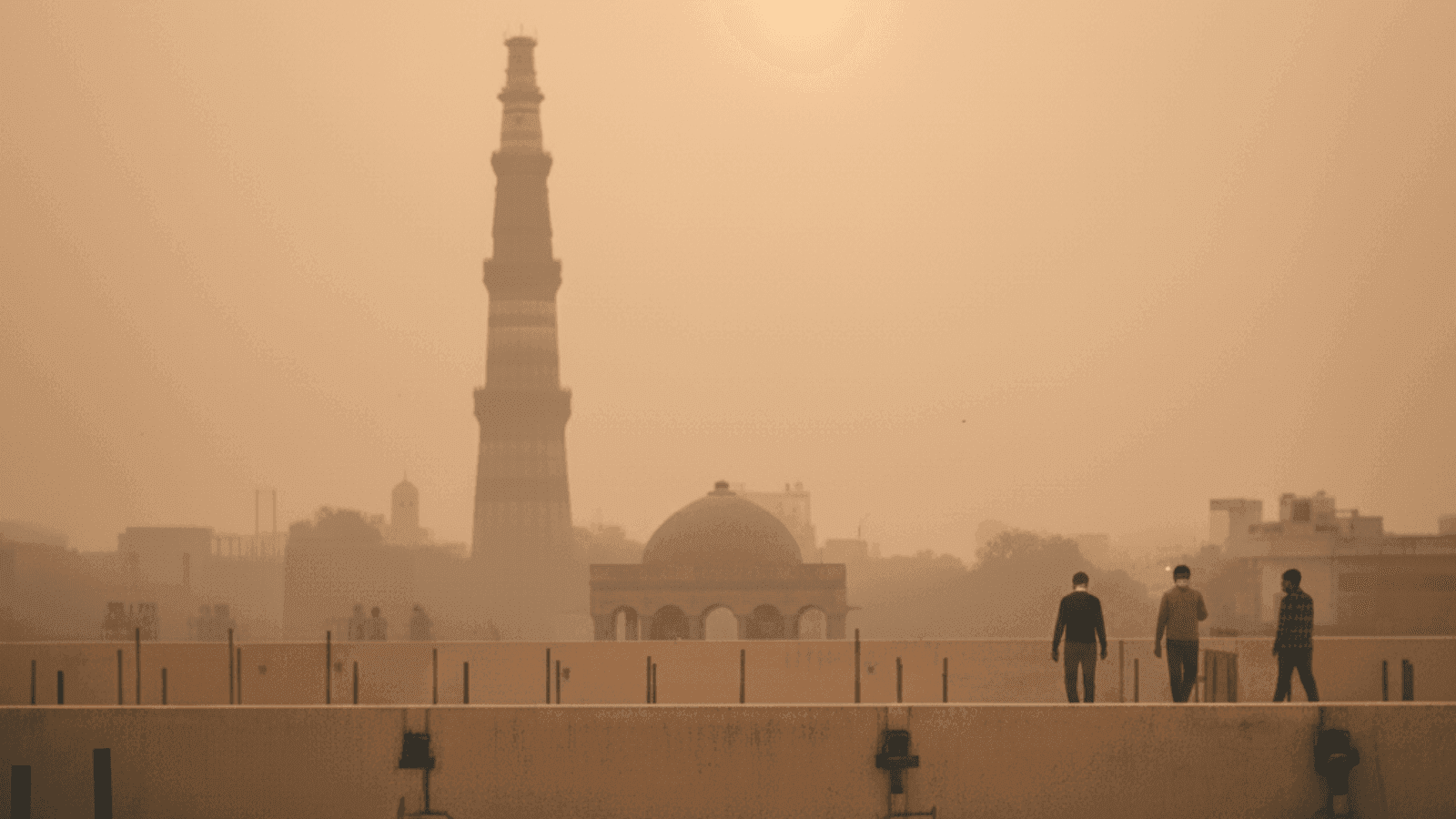
Air Quality Alerts Are Quietly Changing Where India Travels
Travel plans now change faster than weather itself. A single air quality alert can reroute an entire trip before bags are packed. For many travellers, checking AQI has become as routine as checking hotel reviews.
Pollution Alerts Changed Where People Went
When air quality alerts began appearing on lock screens instead of news tickers, travel behaviour shifted fast. Cities like Delhi, Lahore, and Dhaka saw sudden drops in short-stay searches during severe AQI weeks, even when flights and hotels were cheaper. Travellers stopped assuming they could “push through” smog for a few days. Breathing discomfort, headaches, and disrupted outdoor plans became deal-breakers, not inconveniences.
AQI Became a Pre-Booking Filter
Air quality apps moved into the same mental category as weather forecasts. Before confirming trips, travellers checked historical AQI patterns the way they once checked rainfall averages. Places with unpredictable spikes were avoided entirely, while destinations known for cleaner air saw higher interest even in off-seasons. The decision was less about sightseeing and more about how the body would feel after landing.
Major Indian Cities Reported Poor Air Quality
Air quality alerts are no longer limited to peak winter weeks. Agra, Ahmedabad, Bhiwadi, Chandigarh, Delhi, Gwalior, Jaipur, Kolkata, and Lucknow have all reported sustained periods of poor to severe AQI. These are not fringe locations. They include heritage cities, business hubs, and transit-heavy tourist gateways. Travel hesitation begins here, even before hotels or attractions enter the picture.
Air Quality in India’s Top Tourist Destinations

Goa
Goa continued to attract visitors during peak season, with air quality generally staying in the Good to Moderate range (AQI 30–90) along the coast. Inland movement slowed on high-traffic days when AQI briefly crossed into Moderate levels, pushing travellers to stay near beaches where sea winds kept air clearer. Properties with open layouts and coastal airflow were consistently preferred over dense town centres.
Kerala
Kerala benefited from stable air quality for most of the year, typically remaining in the Good range (AQI 20–70) across backwaters and hill districts. During northern pollution spikes, interest shifted south as longer stays felt physically easier here. Clean air played a quiet but decisive role for families and international travellers sensitive to respiratory health.
Northeast India
Destinations across the Northeast saw rising interest due to consistently cleaner conditions, with AQI often falling in the Good range (AQI 15–60). Lower congestion and minimal industrial pollution reduced alert frequency. Travel decisions were driven less by promotion and more by the absence of health warnings altogether.
Himachal Pradesh
Himachal experienced uneven conditions depending on altitude and access routes. Hill towns generally recorded Good to Moderate AQI (30–80), while entry corridors passing through northern plains showed higher exposure during transit. Travellers timed arrivals carefully, choosing night trains or alternate entry points to reduce pollution exposure before reaching cleaner air.
Kashmir
Kashmir remained highly timing-dependent despite strong appeal. Air quality in the valley typically stayed within the Good range (AQI 25–70) during clear periods, triggering booking spikes. When pollution alerts appeared along travel corridors, hesitation followed, showing how transit conditions influenced decisions as much as the destination itself.
How Air Pollution Is Affecting India’s Tourism Sector
Air quality stopped being an environmental issue and became an economic one.
Decline in tourist arrivals
Studies estimate that air pollution costs India’s tourism sector billions annually. Visitors postponed trips, cancelled short breaks, or chose alternate countries during severe AQI periods. This impact was most visible in repeat travellers who had flexibility to delay.
Shortened travel duration
When visitors did arrive, they stayed fewer days. Urban destinations were treated as transit points instead of bases. Hotels noticed faster turnover and lower extension rates during alert-heavy weeks.
Revenue pressure across the ecosystem
Hotels, restaurants, guides, and transport providers all felt the compression. Fewer days meant fewer meals, fewer excursions, and reduced ancillary spending. Budget properties were hit hardest as price cuts could not offset health concerns.
Reputation damage at a global level
International travellers increasingly associate India’s peak travel months with pollution headlines. Competing destinations with cleaner air gained preference, even at higher cost. Perception shifted faster than infrastructure could respond.
Health risks for visitors
Respiratory discomfort, asthma flare-ups, and fatigue were commonly reported during poor AQI days. Some travellers sought medical attention or cut trips short. Health uncertainty discouraged older travellers and families with children.
Reduced enjoyment of the experience
Haze affected visibility at monuments and viewpoints. Physical activity felt harder. The sensory part of travel (walking, tasting, lingering) was diminished. Photos still happened, but memories felt constrained.
What This Means for Foreign Tourists in India
International visitors plan further ahead and react faster to alerts. Travel insurance claims related to health interruptions rose during severe pollution weeks. Itineraries became conservative, favouring cleaner regions even if travel time increased. Word-of-mouth shifted toward advising seasonal caution rather than enthusiasm.
For travellers prioritising cleaner air, flexible stays, and smarter location choices, where you stay matters as much as where you go. Neomaxer helps travellers find stays that align with real conditions on the ground.









