
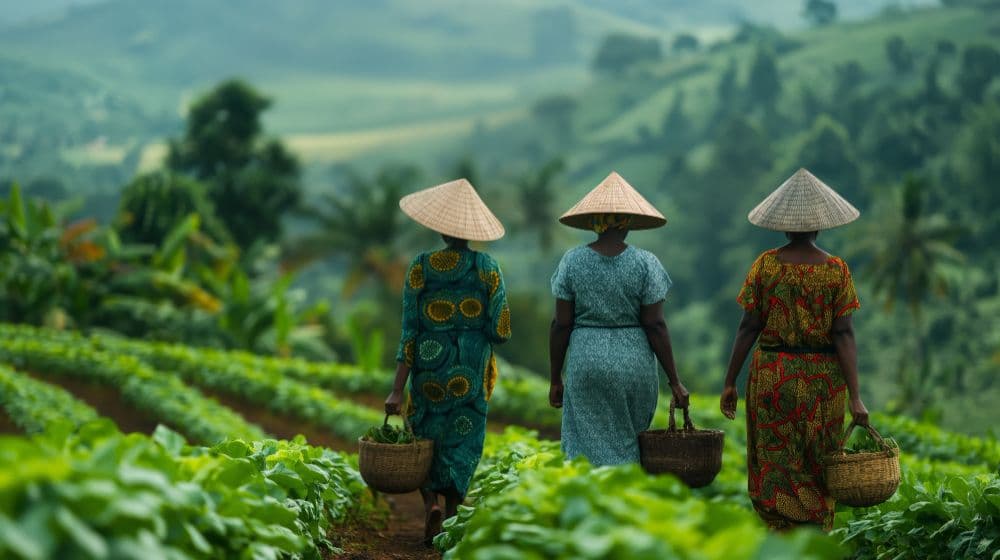
The green of the rice stalks is so bright it looks painted against the black volcanic soil. In Bali, locals don’t talk about the harvest casually. They talk about the water levels in the Subak irrigation system. A trickle of water moving through a hollow bamboo pipe is a sign that the mountain is sharing its gift. Mud caked on a farmer’s ankles is a sign of a long day in the heat. This is how the "Bali people" have lived for a thousand years. It is "what is Bali known for" the perfect balance between human labor and the spirit of the land.
The Ancient Tegalalang Rice Terraces
Tegalalang is a masterpiece of mountain engineering carved into a steep valley. You drive past the busy "Bali City" roads, and ten minutes later, you are standing over an abyss of emerald layers. Speed drops. Silence increases. You see the signs of the season in the height of the grain and the color of the husk.
Navigating the Emerald Slopes
- Wear boots with a deep grip because the volcanic mud never truly dries.
- Carry small bills for the local farmers who maintain the narrow footpaths across the ridges.
- Look for the jungle swings that hang over the edge of the valley for a view from the sky.
- Watch the shadows move across the terraces as the sun hits the giant palm trees at midday.

The Mystery of Luwak Coffee
The smell of roasting beans hits you before you see the plantation gate in the forest. In the highlands, "Bali people" talk about the Luwak with respect. They talk about the signs found under the coffee trees at dawn. A pile of processed beans left behind by the civet cat. This is not just a drink; it is a slow process of nature that cannot be rushed.
The Traditional Roasting Process
The civet cat chooses only the ripest red cherries from the wild coffee trees. The beans are washed and dried under the hot tropical sun for several days. Local women roast them over an open wood fire in heavy iron pans until the oil shines. The grinding is done by hand with a long wooden pole in a rhythmic beat. The result is a thick, dark liquid that tastes of chocolate and the damp earth of the jungle.
Many travelers ask "what country is Bali in" while looking at photos of these green mountains. It is the emerald heart of Indonesia. You can find many "Bali packages" that take you from the sandy beaches to these deep forest plantations in a single afternoon. When you stay in a "Bali hotel" in the mountains, the air is cooler and smells of woodsmoke and jasmine.
The mist settles over the valley at 4 PM every day. You see the farmers heading home with their sickles and empty baskets. This is a shared land where the coffee tree and the rice stalk live together in the same soil. You should book your stay via Neomaxer to find a villa that sits right on the edge of the forest. The light fades quickly here, and the crickets begin their evening song. Cameras stay ready, but windows stay up as the jungle wakes up in the dark. Bali remains a place of quiet signs and deep green secrets.









