
Vietnam Cool Months Guide for First-Time Travelers
Vietnam during the cool months lets you keep your jacket unzipped and your plans loose. You can walk a little farther, sit a little longer, and order one more coffee without thinking about the heat. For first-timers, this is when Vietnam feels less rushed and more readable.
What “cool months” actually mean in Vietnam
Vietnam doesn’t have a single winter, and that trips up first-timers. The cooler stretch usually runs from October to April, but it behaves differently depending on where you are.
Northern Vietnam: crisp mornings and layered days
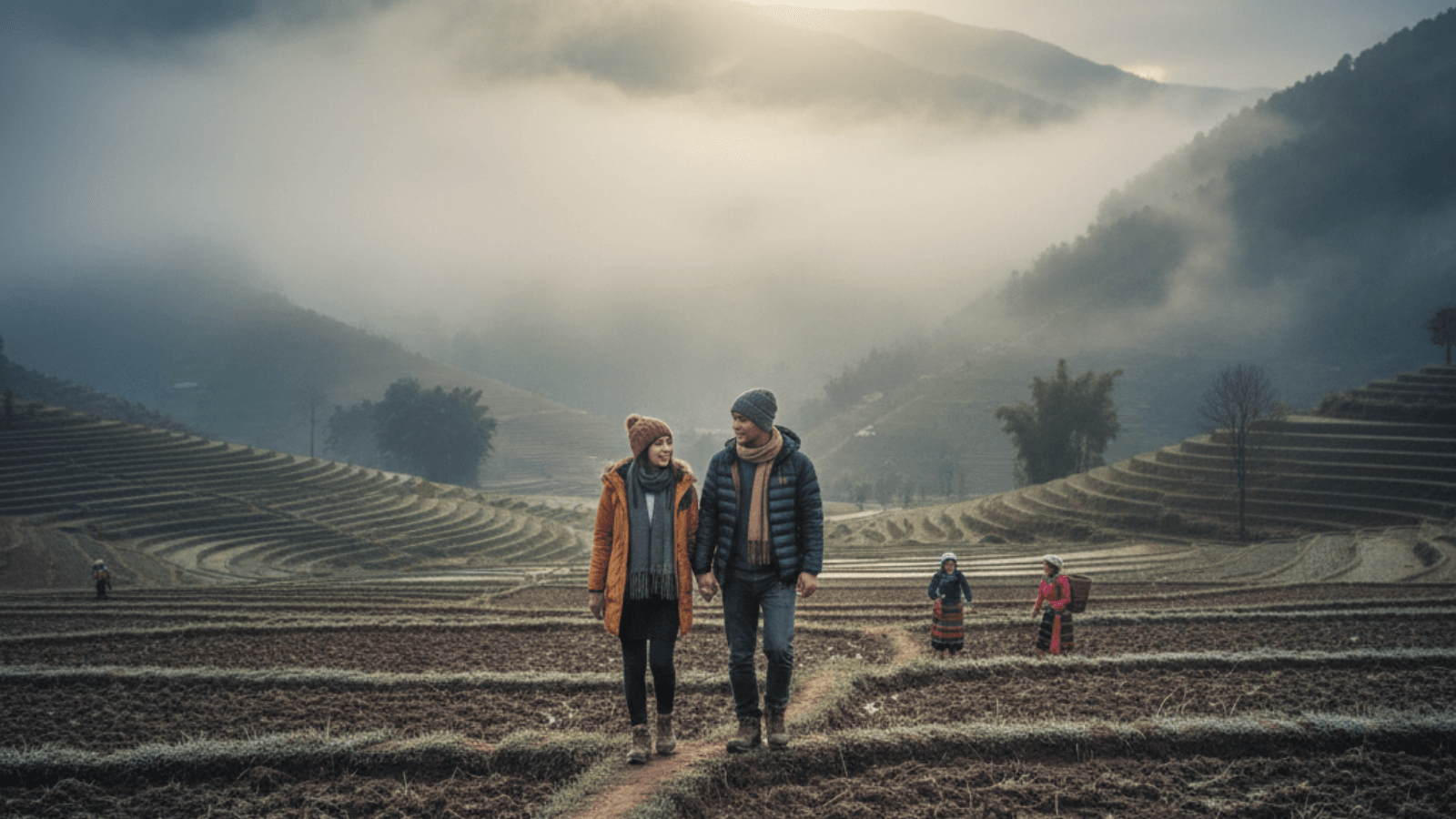
October to March brings daytime temperatures around 18–24°C, with foggy mornings and cooler evenings. December and January are the coldest, especially in the mountains, where nights can drop to 5–10°C, and occasionally lower in Sapa and Ha Giang. Light jackets are common, and locals layer up early.
Central Vietnam: dry air with a warning label
February to April is the most comfortable window, with daytime temperatures around 22–28°C and low humidity. October and November still see flooding and storms. By December and January, rain eases, but the sea can stay rough and evenings feel cooler near the coast.
Southern Vietnam: less rain, same heat
November to February stays warm at 25–32°C, but humidity drops noticeably. It never feels cold, just less exhausting. Evenings are easier for walking, and sitting outdoors doesn’t feel like a test of endurance.
Why first-timers enjoy Vietnam more in cooler weather
Vietnam is a country you experience on foot, on stools, and on motorbikes. Cooler months make that possible without constant retreat.
Street food tastes better when you’re not overheating. Walking tours last longer. Museums feel doable instead of draining. Overnight trains and buses are less claustrophobic. Even chaos becomes manageable when your brain isn’t melting.
What to pack when Vietnam isn’t scorching
- Light layers work better than heavy clothing. A breathable jacket or hoodie helps in the north, especially in the evenings, and is mostly unnecessary in the south but still useful on night buses or flights.
- Long pants make sense for temples, overnight travel, and mosquito protection, even when days feel mild.
- Thick winter wear is unnecessary unless you’re trekking in high-altitude areas like Sapa or Ha Giang.
- Sidewalks are uneven and streets get slick, so comfortable sneakers beat sandals for cities.
- Slip-on shoes are practical for temples and homestays where shoes come off often.
Getting around when weather works in your favor
Cool months are ideal for overland travel.
Trains feel slower but smarter
Overnight trains between Hanoi and Hue or Da Nang make sense when nights are cool. You sleep better, wake up less sweaty, and arrive ready to explore instead of recovering.
Motorbike routes finally make sense
Routes like the Hai Van Pass or countryside rides around Ninh Binh feel enjoyable rather than punishing. Visibility improves, rain drops off, and stopping for roadside coffee becomes part of the day instead of a survival break.
Health realities people don’t mention
Cooler weather lowers heat exhaustion risk, but it introduces quieter issues. Air quality worsens in Hanoi during winter months, especially December and January. Sensitive travelers notice sore throats or coughs. Masks help, and staying near lakes or greener neighborhoods reduces exposure.
Dengue risk drops compared to rainy season, but mosquitoes don’t disappear. Repellent still matters, especially near water and in the south.
Where cooler months shine the most
Some places genuinely show their best side only during this window.
Ninh Binh without the haze
Clearer skies make limestone cliffs stand out instead of dissolving into mist. Cycling between villages feels calm, and river boat rides last without discomfort.
Hanoi on foot
Walking the Old Quarter works when sweat isn’t constant. Museums feel inviting. Evening food hunts turn into hours instead of quick stops.
Hoi An after flood season
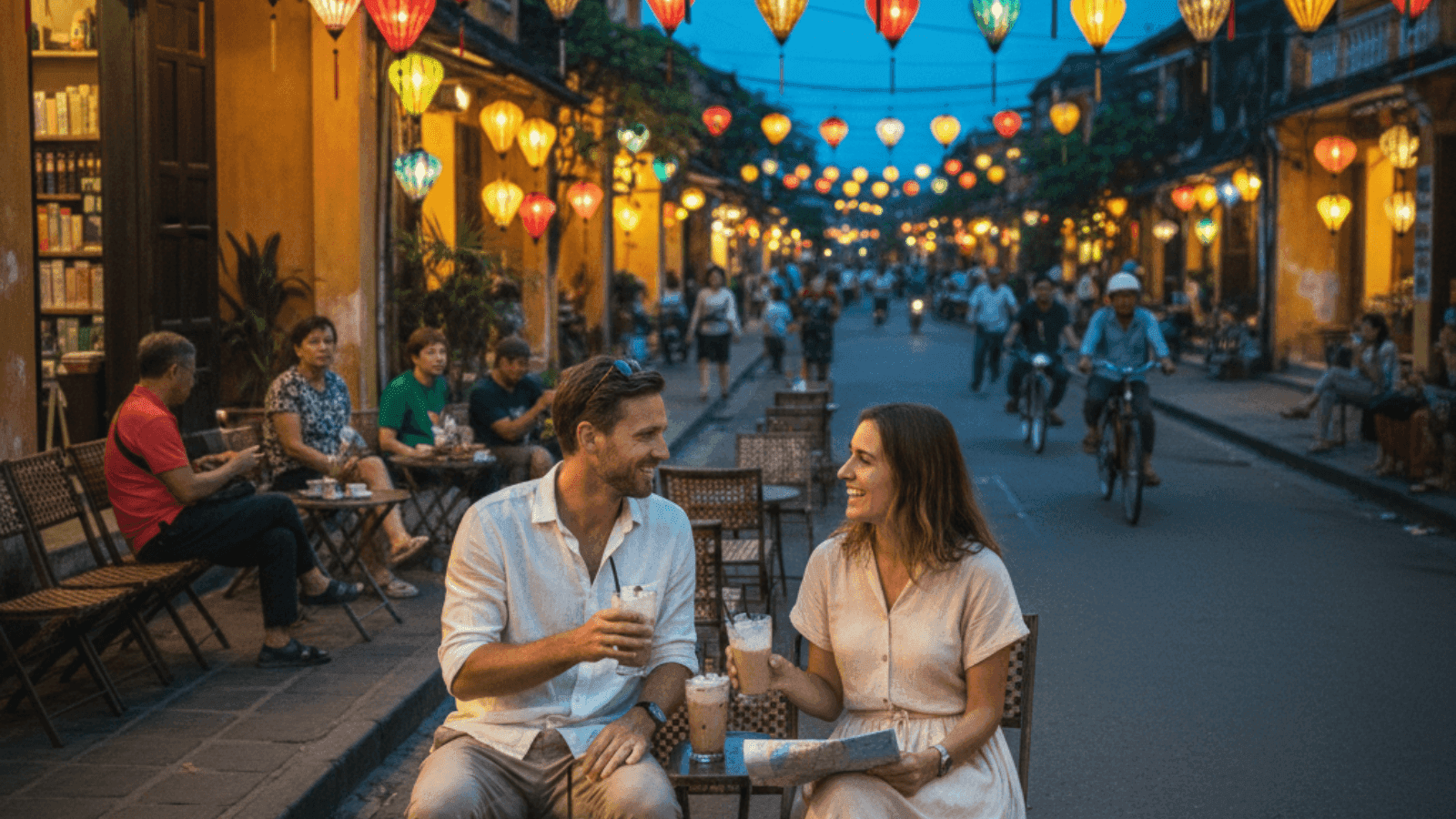
Lantern nights return, streets dry out, and cycling to An Bang Beach becomes easy. The town regains balance before summer crowds swell again.
Small first-timer mistakes cooler weather doesn’t fix
Vietnam still runs on its own rules.
- Cross streets with confidence, not hesitation.
- Expect early-morning noise, especially in cities and local neighborhoods.
- Accept that schedules shift, transport runs late, and plans change.
- Don’t over-plan days assuming Western timing logic applies.
When cooler months might disappoint
If you want constant beach weather, December in central Vietnam can feel grey. If you’re chasing rice terraces at their greenest, cooler months miss that peak. If you expect silence, Vietnam never fully delivers.
The trade-off is comfort, clarity, and the ability to stay present without fighting the climate.
What first-timers remember most from Vietnam’s cool season
It’s the small things. Sitting longer at street corners. Walking farther without checking the time. Sleeping through the night on a train. Eating slowly because you can. Vietnam doesn’t soften itself for visitors. Cooler months just give you the breathing room to notice how it already works. If you want to experience Vietnam at this pace Neomaxer helps you book places that fit the rhythm of your trip.









