
Singapore City


Packages for Singapore City
Curated travel packages
 5D 4N
5D 4NSingapore + Sentosa Premium Experience
City Sophistication Meets Island Leisure
 4D 3N
4D 3NSingapore First-Timer Escape
A Futuristic City Wrapped in Culture
 5D 4N
5D 4NSingapore Family Fun Holiday
Big Smiles in Asia's Most Effortless City
 5D 4N
5D 4NSingapore Luxury & Leisure
Skyline Views, Curated Comfort & Elegant City Days
 9D 8N
9D 8NMalaysia & Singapore First Timer Discovery
Culture, cityscapes, and tropical escapes
Places to Visit in Singapore
Attractions and experiences
Universal Studios Singapore
Gardens by the Bay
IMBA Theatre at Gardens by the Bay
Universal Studios Singapore Universal Express
Madame Tussauds Singapore
Singapore Oceanarium
Singapore Zoo
River Wonders
Places to stay in Singapore City
Things to Do in Singapore City
Top activities and experiences

Gardens by the Bay

Marina Bay Sands SkyPark

Helix Bridge

ArtScience Museum

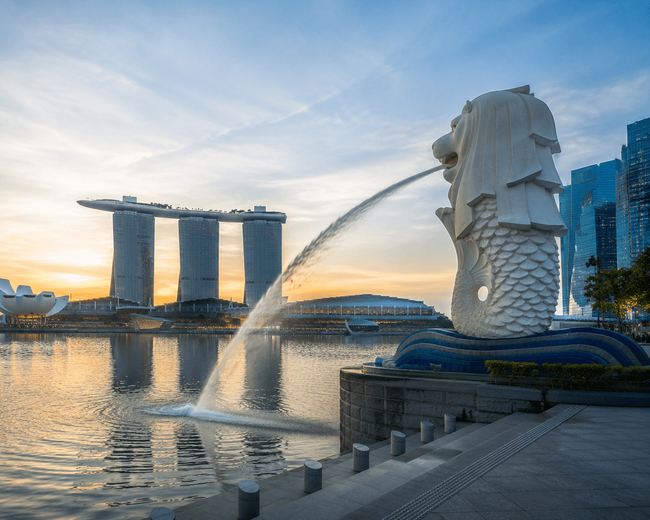
Merlion Park

Hawker Centre Food Crawl

Singapore Night Safari

Heritage District Walk
Quick facts about Singapore City
Local weather

broken clouds
Humidity
83%
Wind
3.59 m/s

General info
Time zone
SGT (UTC+8)
Currency
SGD
Official languages
English, Mandarin, Malay, Tamil
Best time to visit
FEB-APR
Recommended trip duration
4 days
Travel insights about Singapore City
Travel guides, tips, and stories

Singapore When You Step Outside the Malls and Follow the Food
Singapore’s food culture runs on timing and habit. Hawker centres fill early, neighbourhood stalls specialise in one dish, and weather quietly decides what gets cooked. From kopi breakfasts and laksa lunches to coastal seafood nights, meals connect the city more clearly than maps.

A Slower Way to Experience Singapore Without Rushing Between Attractions
The plan spreads Singapore across five relaxed days, keeping each day focused on one area. Mornings are unhurried, meals happen outside peak hours, and outdoor time is limited to one space at a time. Neighborhood walks, repeat visits, and light packing keep the pace steady.

The Best Indoor Activities in Singapore to Beat the Summer Heat
Looking for ways to stay cool in Singapore? Explore our top picks for indoor activities that promise fun and excitement while escaping the summer sun!

The Ultimate Singapore Destination Guide
Planning a trip to the Lion City? Read our Ultimate Singapore Destination Guide to discover the best local street food, stunning sights, and transit tips!
FAQs about Singapore City
The best time to visit Singapore is February to April, which are the driest months. June to July is the F1 night race season, while November to January is wetter but slightly cooler, making it a varied year round destination for Singapore tourism and Singapore travel guide planning.
Yes, Indians need to apply online via the official e visa system before traveling to Singapore, with processing typically taking 1 to 3 days, an important step for Singapore trip planning and Singapore holidays.
Singapore is one of the most expensive cities in Asia, especially for accommodation, but hawker centres like Maxwell Food Centre and Lau Pa Sat offer affordable meals, helping balance costs during a Singapore trip and making it manageable for budget focused things to do in Singapore.
-
Locals avoid peak-hour MRT crush by traveling just 20 to 30 minutes earlier or later, and that tiny shift makes the city feel calmer instantly, especially on the Downtown and North-South lines.
-
The “best skyline photos” rarely come from the obvious spots at the busiest times. Insiders go to Marina Bay promenade after a light rain, when reflections double the city lights and crowds thin out slightly.
-
Hawker centers have unwritten seating rules. Locals “chope” tables by placing tissue packets or umbrellas on seats, and everyone respects it, so do not move someone’s small item.
-
Orchard Road looks like the shopping center, but locals shop more in neighborhood malls for better deals and fewer crowds. Orchard works better for window-shopping and air-conditioned breaks than bargain hunting.
-
Singapore gets surprisingly chilly indoors. Locals carry a thin layer or scarf because malls, cinemas, and the MRT can feel cold after humid outdoor walking.
-
Weekend nights around Clarke Quay can feel loud and tourist-heavy. Locals often pick quieter river stretches or rooftop spots in less chaotic areas when they want a relaxed drink.
-
Food courts and hawkers can sell out of popular dishes early. Locals eat signature items before peak lunch hours, especially at famous stalls, because the best stuff disappears fast.
-
The city enforces rules strictly, but locals still stay street-smart about phone safety in crowded areas. Crowds around events and tourist icons attract opportunistic pickpockets, even in a very safe city.