A Different Kind of Kabini Trip During the Off-Season
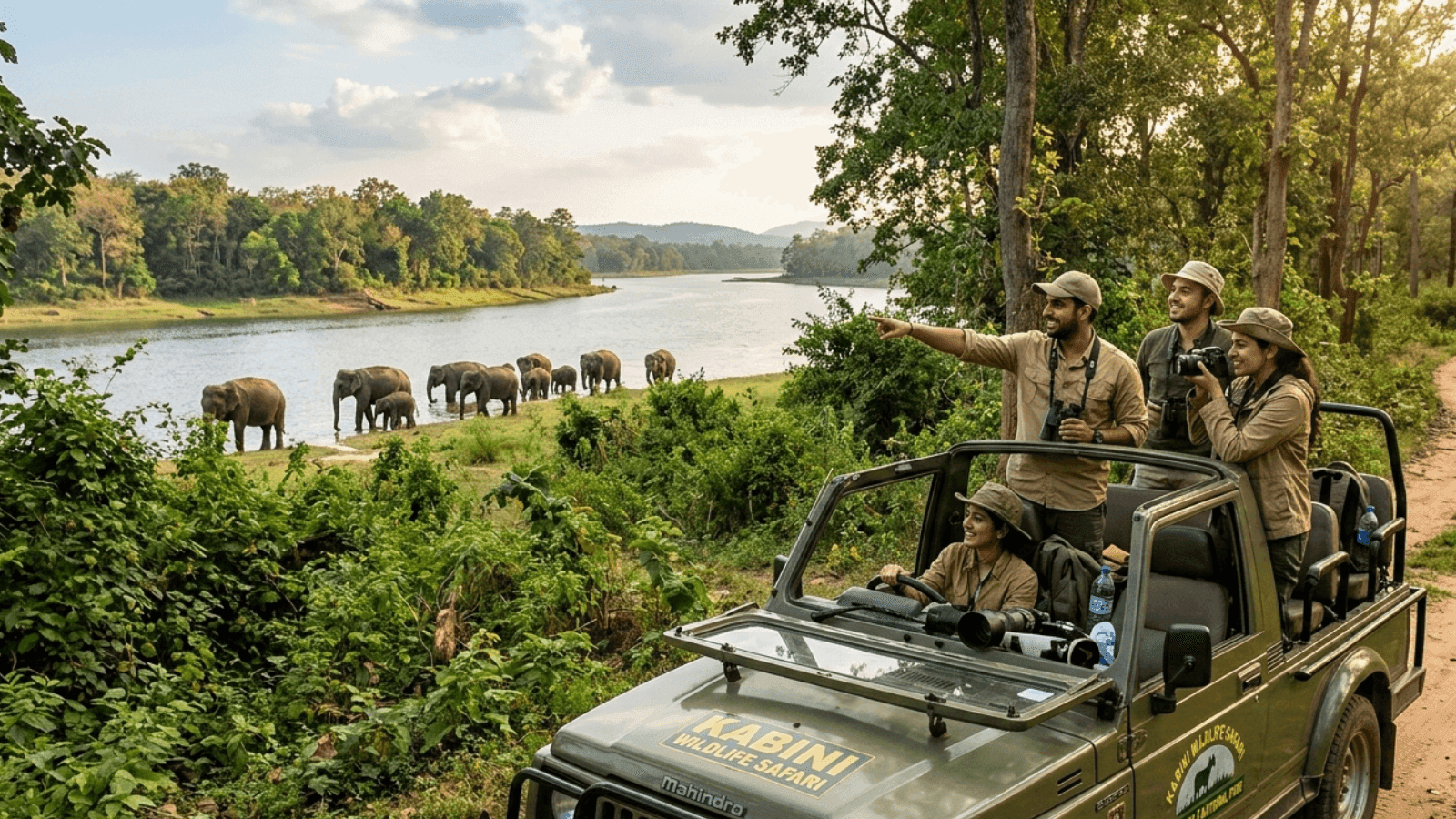
Kabini in the off-season feels like the forest finally has room to breathe. The jeeps grow fewer, the river edges show up again, and mornings belong to bird calls instead of busy safari chatter. It is the kind of place where you slow down without even noticing it.
Kabini River Runs Low June–September Off-Season
From June to September, the Kabini River pulls back a little. Water levels drop in a few stretches, exposing muddy banks and pale grass that usually stay underwater during busier months.
Those exposed edges quietly turn into gathering spots. Spotted deer wander down to drink, egrets pick their way through the shallows, and crocodiles stretch out on warm sandbanks that appear only during this time of year.
The scenery feels wider too. Without the dense green of peak season, the landscape opens into long views of grass and scattered trees, which makes it easier to notice movement across the riverbanks.
Bird Calls Fill Mornings Without Elephant Crowds
Mornings in Kabini during the off-season begin with sound. Not engines, not safari chatter, just the layered calls of birds waking up around the forest.
A drongo flicks between branches, barbets repeat their hollow knocking calls, and somewhere near the water the Malabar whistling thrush lets out its clear, flute-like notes.
With fewer vehicles passing through, the forest holds its calm longer. Deer graze without lifting their heads every few seconds, langurs stretch across branches in the early sun, and the air carries that slow quiet that wildlife parks rarely get during peak months.

How to Reach Kabini from Bangalore
- Overnight KSRTC bus to Mysore then cab: about 6 hours total, roughly Rs 600 for the bus and Rs 1500–2000 for the cab
- Direct taxi via Mysore on NH275: around 5 hours, approximately Rs 3500 depending on the vehicle
- Train from Bangalore to Mysore followed by a local taxi to Kabini: roughly 4–5 hours door to door
- Rent an SUV from Bangalore airport for a self-drive trip: 220 km journey, rentals start around Rs 2500 per day
Walking Trails Open Up Empty Forest Paths
During peak months, Kabini trips usually revolve around jeep safaris. Off-season visits leave space for something slower.
Many eco-stays run guided nature walks along the forest edges when visitor numbers are lower. These trails rarely go deep into wildlife zones, but they reveal the smaller details people often miss from a vehicle.
A naturalist might pause beside a fresh set of hoofprints pressed into the soil. A few steps later there could be a termite mound rising almost waist-high or a tree marked with claw scratches from a passing bear months ago.
Walking quietly through these paths shifts your attention. Instead of scanning the distance for animals, you start noticing how the forest fits together.
Who is This Ideal for
Some travelers come to Kabini hoping for big sightings. Others arrive just to sit still for a while. The off-season quietly favors the second group. Solo travelers sometimes spend dusk near watchtowers listening for owls. Couples pick riverside cottages that cost much less than they would during peak safari months.
Birdwatchers bring notebooks instead of long safari itineraries, slowly adding species to their lists while the forest moves at its usual unhurried pace.
Why Photographers Like the Off-Season
Photographers often talk less about wildlife numbers and more about light. In Kabini, the off-season changes that light in interesting ways.
Dry grasslands create soft contrast across the landscape. An elephant crossing that pale stretch of land stands out sharply against the background, even from a distance.
Some mornings begin with a light mist drifting across the river. It doesn’t last long, but for a few minutes the forest looks almost suspended in soft grey light before the sun lifts it away.
Pack Binoculars for Rare Off-Season Sightings
- Compact binoculars help spot birds along riverbanks and grasslands
- Neutral clothing blends better during forest walks
- A light rain jacket helps during sudden monsoon showers
- Waterproof bags keep cameras safe in humid conditions
Forest Walk Permits Skip Jeep Safari Queues
Safari permits still operate through the forest department, but the off-season removes some of the rush around them. During peak travel months, visitors often line up early hoping to secure jeep seats. When tourism dips, the process becomes easier and a little calmer.
That slower rhythm carries into the forest itself. Jeeps move through the tracks with more space between them, guides talk a little softer, and by late afternoon the Kabini landscape settles back into quiet.
Birds return to the riverbanks as the light fades, shadows stretch across the dry grass, and the forest prepares for another slow evening.
If a quieter Kabini trip sounds like your kind of travel, Neomaxer helps you find thoughtfully curated stays that sit close to the forest and river.